


For years, creatine was treated like a supplement designed only for male bodybuilders and professional athletes. Today, that outdated belief is finally changing as more women discover the benefits of improved strength, workout performance, recovery, and energy support. Finding the best creatine for women has become an increasingly popular topic among women focused on fitness, wellness, and healthy aging.
What makes creatine especially interesting is that it is one of the most researched sports supplements available. Unlike many trendy products with exaggerated promises, creatine has decades of scientific research supporting its effectiveness.
Women are also beginning to realize that creatine is not just about building muscle. It may support cognitive function, exercise endurance, recovery, and even healthy aging. Whether someone is lifting weights, training for endurance, or simply trying to maintain strength and energy levels, the right creatine supplement can become a valuable addition to a balanced routine.
This guide explores how creatine works, which types are most effective, how women can use it safely, and what to look for when choosing a quality supplement.
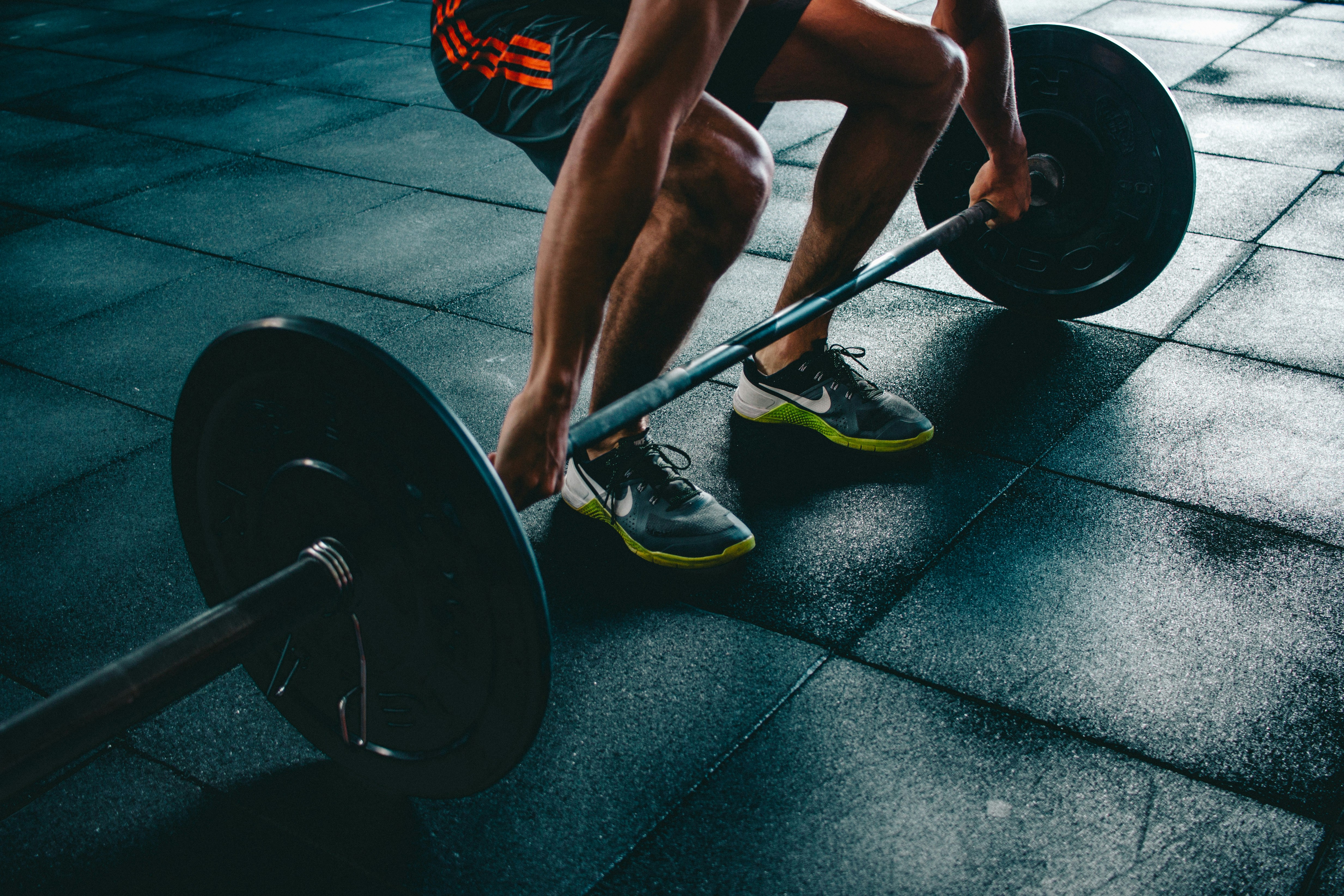
What Is Creatine and Why Does the Body Need It?
Creatine is a naturally occurring compound found in muscle cells. The body produces it from amino acids, and it is also present in foods such as red meat and fish.
Its primary role is helping the body produce energy during short bursts of high-intensity activity.
How Creatine Supports Energy Production
Creatine helps regenerate adenosine triphosphate, commonly called ATP, which acts as the body’s main energy source during explosive movement.
Activities that rely heavily on ATP include:
- Strength training
- Sprinting
- High-intensity interval workouts
- Jumping exercises
- Sports performance
Supplementation may help muscles maintain energy output during repeated effort.
Why Women Are Becoming More Interested in Creatine
For many years, supplement marketing focused heavily on men. However, newer research and growing awareness have highlighted several potential benefits for women.
These may include:
- Improved workout performance
- Better muscle recovery
- Increased strength
- Support for lean muscle maintenance
- Reduced fatigue during training
- Healthy aging support
Many women also appreciate that creatine is relatively affordable compared to trendy wellness supplements.
Understanding the Different Types of Creatine
Not all creatine products are identical. While many forms exist, some are backed by significantly more evidence than others.
Creatine Monohydrate
Creatine monohydrate remains the gold standard because it is the most researched and widely studied form available.
Benefits include:
- Strong research support
- Affordable pricing
- Proven effectiveness
- Wide availability
- Reliable absorption
For most women, creatine monohydrate is considered the best starting option. You may also read this: How to Increase Female Libido Instantly Naturally.
Micronized Creatine
Micronized creatine is simply creatine monohydrate processed into smaller particles for easier mixing.
Some women find it gentler on digestion and easier to dissolve in drinks.
Buffered Creatine
Buffered formulas claim to reduce stomach discomfort and improve stability.
However, research has not consistently shown major advantages over standard creatine monohydrate.

Benefits of the Best Creatine for Women
Creatine offers benefits that extend beyond muscle growth.
Improved Strength and Performance
One of the most consistent findings in research is improved strength performance.
Women using creatine alongside resistance training may notice:
- Increased lifting capacity
- Better training endurance
- More workout intensity
- Faster recovery between sets
These improvements can help support long-term fitness progress.
Muscle Recovery Support
Recovery plays a major role in performance and consistency.
Some women report reduced soreness and better training recovery when using creatine regularly.
Lean Muscle Maintenance
Building lean muscle is important for metabolism, mobility, posture, and healthy aging.
Contrary to common myths, creatine does not automatically make women bulky.
Instead, it may help support stronger, healthier muscle tissue when paired with resistance training.
Cognitive and Brain Health Support
Emerging research suggests creatine may also support cognitive performance and mental energy.
This area continues to be studied, but some evidence suggests potential benefits during periods of fatigue or stress.
Common Myths About Creatine for Women
Misinformation about supplements is extremely common, especially online.
Myth: Creatine Causes Excessive Weight Gain
Some women avoid creatine because they fear dramatic weight gain.
Creatine may increase water retention inside muscle cells, but this is different from gaining body fat.
Many women actually appreciate the fuller, stronger appearance that comes from properly hydrated muscle tissue.
Myth: Creatine Is Unsafe
Creatine is one of the most extensively researched sports supplements available.
Healthy individuals using recommended dosages generally tolerate it well.
However, anyone with kidney disease or medical concerns should speak with a healthcare professional first.
Myth: Women Don’t Need Creatine
Women can benefit from strength, energy support, recovery, and muscle maintenance just as much as men.
Creatine is not gender-specific.
How to Choose the Best Creatine for Women
The supplement industry is crowded with flashy packaging and marketing claims.
Choosing a quality product requires looking beyond advertising.
Look for Simple Ingredient Lists
The best products often contain minimal ingredients.
Many high-quality supplements include only:
- Creatine monohydrate
- Optional flavoring
- Basic sweeteners if flavored
Avoid products overloaded with unnecessary fillers.
Third-Party Testing Matters
Independent testing helps verify purity and quality.
Reliable brands are usually transparent about manufacturing standards.
Powder vs. Capsules
Both forms can be effective.
Powders are often:
- More affordable
- Easier to dose
- Simple to mix into drinks
Capsules may be more convenient for travel or busy schedules.

How Women Should Take Creatine
Creatine supplementation does not need to be complicated.
Recommended Daily Dosage
Most research supports taking around 3 to 5 grams daily.
Consistency matters more than timing.
Is a Loading Phase Necessary?
Some people choose a “loading phase” involving higher doses for several days.
However, this is optional.
Many women prefer taking a steady daily dose to minimize digestive discomfort.
Best Time to Take Creatine
Creatine timing is less important than regular use.
Many people take it:
- After workouts
- With meals
- In smoothies
- Before training sessions
The most important factor is daily consistency.
Nutrition and Hydration While Using Creatine
Proper hydration supports healthy creatine use.
Why Water Intake Matters
Creatine helps draw water into muscle cells.
Drinking enough water may help support:
- Exercise performance
- Muscle hydration
- Recovery
- Overall well-being
Protein Supports Better Results
Creatine works especially well alongside adequate protein intake and resistance training.
Helpful protein sources include:
- Eggs
- Chicken breast
- Fish
- Greek yogurt
- Tofu
- Beans and lentils
Balanced nutrition creates a stronger foundation for performance and recovery.
Best Creatine for Women Over 40
Women over 40 often experience changes in muscle mass, recovery, metabolism, and energy.
Creatine may become especially valuable during this stage of life.
Supporting Healthy Aging
Maintaining muscle mass is important for mobility, balance, and overall strength.
Resistance training combined with creatine supplementation may help support healthier aging.
Recovery and Energy Support
Many women notice slower recovery with age.
Creatine may help support training consistency and exercise performance during midlife and beyond.
Are There Side Effects?
Most healthy individuals tolerate creatine well when using recommended amounts.
Temporary Water Retention
Some users notice mild water retention during the early stages of supplementation.
This effect is usually temporary and often occurs within muscle tissue rather than under the skin.
Digestive Discomfort
Large doses may occasionally cause bloating or stomach discomfort.
Taking smaller daily servings may help reduce these effects.
When to Speak With a Doctor
Women with kidney disease, medical conditions, or prescription medications should consult a healthcare professional before starting any supplement routine.
Exercise Still Matters More Than Supplements
Even the best creatine for women cannot replace consistent movement and healthy habits.
Supplements work best when paired with:
- Resistance training
- Cardiovascular activity
- Proper sleep
- Balanced nutrition
- Stress management
Creatine supports performance, but lifestyle habits create the biggest long-term results.
Lifestyle Habits That Complement Creatine Use
Long-term wellness involves much more than supplements.
Prioritize Sleep and Recovery
Sleep supports muscle repair, energy regulation, and workout performance.
Poor recovery may negatively affect training consistency.
Build a Sustainable Routine
Extreme workout programs often lead to burnout.
Simple, sustainable habits usually create better long-term progress.
Focus on Strength Instead of Appearance Alone
Many women begin fitness journeys focused entirely on aesthetics.
Over time, stronger workouts, improved confidence, and better energy often become more meaningful goals.
FAQ
What is the best type of creatine for women?
Creatine monohydrate is generally considered the most effective and well-researched option.
Will creatine make women bulky?
No. Creatine supports strength and muscle hydration, but it does not automatically create excessive muscle size.
How long does creatine take to work?
Some women notice workout improvements within a few weeks of consistent daily use.
Can women take creatine every day?
Yes. Most research supports regular daily supplementation in recommended amounts.
Is creatine safe for beginners?
Healthy beginners generally tolerate creatine well, especially when following recommended dosages.
Should creatine be taken before or after workouts?
Timing is less important than consistency. Many people take it whenever it fits their routine.
Can creatine help with recovery?
Some research suggests creatine may help support muscle recovery and exercise performance.
Is flavored creatine as effective as unflavored versions?
Yes, as long as the product contains adequate creatine and quality ingredients.
Conclusion
Creatine is no longer just a supplement associated with bodybuilders or elite athletes. More women are recognizing its potential benefits for strength, recovery, energy, exercise performance, and healthy aging.
Choosing the right supplement does not need to be complicated. For most women, a simple, high-quality creatine monohydrate product offers the best balance of effectiveness, affordability, and research support.
The biggest results still come from consistency. Pairing creatine with balanced nutrition, resistance training, hydration, sleep, and sustainable lifestyle habits creates the strongest foundation for long-term progress.
Rather than chasing quick fixes, focus on building routines that help you feel stronger, healthier, and more confident over time.