
One day, your husband’s chewing barely registers. The next, the sound alone makes you want to scream. If that feels uncomfortably familiar, you’re not alone. Many women dealing with menopause and anger toward husbands feel confused, guilty, and overwhelmed by intense emotional reactions that seem to come out of nowhere.
Menopause is often discussed in terms of hot flashes, night sweats, and sleep problems—but emotional changes can be just as disruptive. Irritability, rage, resentment, and sudden anger can strain even strong relationships, especially when both partners don’t fully understand what’s happening.
The good news is that these feelings don’t automatically mean your marriage is broken. Often, hormonal changes, chronic stress, and long-standing relationship dynamics are colliding in ways that make emotions feel much bigger than usual.
Understanding Menopause and Emotional Changes
Menopause marks the end of menstrual cycles and is officially diagnosed after 12 consecutive months without a period. The transition leading up to menopause—perimenopause—often brings the most dramatic hormonal shifts.
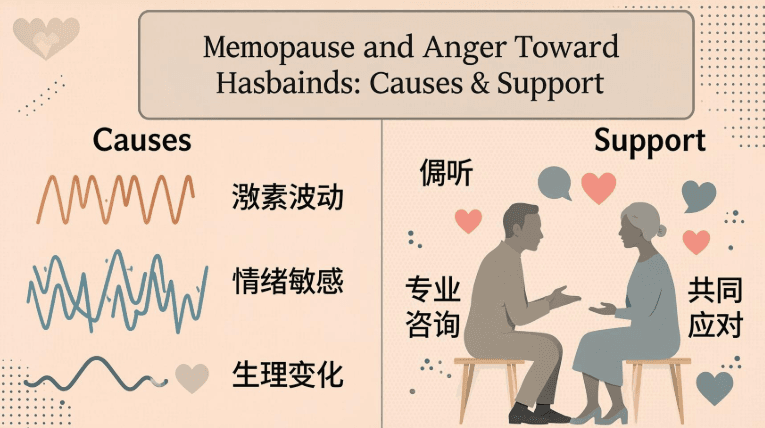
During this time, estrogen and progesterone fluctuate unpredictably, affecting systems far beyond reproduction.
Hormonal changes influence:
- Brain chemistry
- Stress response
- Sleep quality
- Emotional regulation
- Energy levels
Because hormones help regulate mood, even small changes can feel significant.
Why Menopause Can Increase Anger
Anger during menopause rarely has a single cause.
Instead, it often develops from overlapping biological, emotional, and relationship factors.
Estrogen Fluctuations
Estrogen affects neurotransmitters like serotonin and dopamine, both of which help regulate mood.
When estrogen drops or fluctuates rapidly, many women notice:
- Irritability
- Lower patience
- Emotional reactivity
- Reduced resilience
Small frustrations can suddenly feel enormous.
Poor Sleep
Sleep disruption is one of the strongest contributors to irritability.
Common menopause-related sleep issues include:
- Night sweats
- Insomnia
- Frequent waking
- Early waking
Chronic exhaustion lowers emotional tolerance.
Stress Overload
Midlife often comes with intense responsibilities.
Many women simultaneously manage:
- Careers
- Aging parents
- Teenagers or adult children
- Household labor
- Financial stress
Stress compounds hormonal vulnerability.
Menopause and Anger Toward Husbands: Why Partners Become Targets
A common question women ask is why anger seems directed specifically at their spouse.
The answer is often complex.
Your husband may not actually be causing every emotional reaction—but close relationships naturally absorb accumulated stress. You may read this: Perimenopause Symptom Checker: Signs & Self-Assessment.
Emotional Safety
People often release strong emotions around those they feel safest with.
This means suppressed frustration may surface most intensely at home.
Familiar Habits Become Triggers
Small long-term annoyances may suddenly feel intolerable.
Examples include:
- Interrupting conversations
- Messiness
- Loud eating
- Lack of help
- Emotional unavailability
What was once manageable may feel unbearable.
Resentment Becomes More Visible
Menopause doesn’t create every marital issue.
Sometimes it reduces the emotional bandwidth needed to tolerate unresolved problems.
Long-standing resentment may rise to the surface.
Common Emotional Experiences During Menopause
Women experiencing menopause and anger toward husbands often report specific emotional patterns.
Sudden Rage
You may feel explosive anger over minor issues.
Constant Irritability
Small frustrations feel relentless.
Emotional Numbness
Some women feel detached rather than angry.
Increased Sensitivity
Criticism may feel unusually painful.
Guilt After Arguments
Many women feel deep regret after emotional outbursts.
When Anger Signals Bigger Relationship Problems
Not all anger is purely hormonal.
Sometimes menopause exposes issues already present.
Ask yourself:
- Do I feel unsupported?
- Am I emotionally exhausted?
- Are responsibilities unequal?
- Have needs gone unheard for years?
These questions matter.
How Husbands Can Help
Support from partners can significantly reduce tension.
Helpful responses include:
Listening Without Defensiveness
Sometimes understanding matters more than fixing.
Learning About Menopause
Education reduces misunderstanding.
Sharing Responsibilities
Reducing mental load improves emotional resilience.
Practicing Patience
Compassion during difficult periods matters greatly.
Coping Strategies for Anger During Menopause
Managing anger requires addressing both physical and emotional contributors.
Improve Sleep
Better sleep can dramatically improve patience and mood.
Helpful strategies:
- Cool bedroom
- Consistent bedtime
- Reduced caffeine
- Limited screens
Move Your Body
Exercise supports mood-regulating neurotransmitters.
Good options include:
- Walking
- Strength training
- Yoga
- Swimming
Reduce Stress
Stress management improves emotional regulation.
Try:
- Meditation
- Journaling
- Therapy
- Breathwork
Communicate Clearly
Avoid bottling resentment.
Use calm, direct communication.
Instead of:
“You never help.”
Try:
“I feel overwhelmed and need more support.”
Can Hormone Therapy Help?
For some women, yes.
Hormone therapy may improve symptoms linked to:
- Mood swings
- Sleep disruption
- Hot flashes
- Anxiety
If anger strongly correlates with hormonal changes, medical evaluation may help.
When to Seek Professional Help
Seek support if anger causes:
- Frequent conflict
- Emotional distress
- Aggressive behavior
- Depression
- Relationship damage
Helpful resources include:
- Therapists
- Couples counselors
- Menopause specialists
- Support groups
Getting help is a strength.
FAQ
Is anger normal during menopause?
Yes. Irritability and emotional reactivity are common due to hormonal changes and stress.
Why am I so angry at my husband?
Hormones, poor sleep, stress, and relationship dynamics often combine.
Does menopause ruin marriages?
No. Many couples navigate menopause successfully with communication and support.
Can hormone therapy improve mood?
It may help some women, especially when symptoms are hormone-driven.
How long does menopause anger last?
Duration varies depending on hormonal stage, stress, and treatment.
Should husbands learn about menopause?
Absolutely. Education improves empathy and communication.
Is rage during menopause common?
Yes. Some women experience intense but temporary emotional surges.
When should I seek therapy?
Seek help when anger causes significant distress or relationship strain.
Conclusion
Navigating menopause and anger toward husbands can feel isolating, especially when emotional reactions seem stronger than your usual self. But intense irritability does not mean you are failing, nor does it automatically mean your relationship is doomed.
Menopause often amplifies what the body and mind have been carrying for years—stress, exhaustion, unmet needs, and unresolved resentment. With support, communication, and proper care, this stage can become not just manageable, but transformative.