
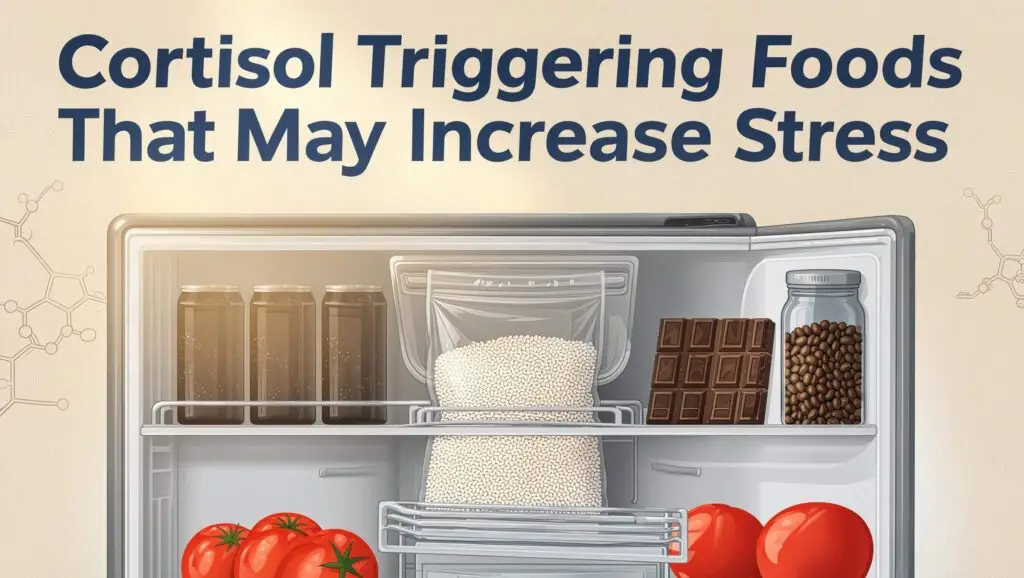

Ever notice how stress seems to affect everything from your sleep and mood to your cravings and waistline? What many people don’t realize is that certain everyday foods may quietly make those problems worse. That’s why growing attention is being placed on cortisol triggering foods and how they influence the body’s stress response.
Cortisol is often called the “stress hormone,” but it actually plays an essential role in energy regulation, metabolism, blood sugar balance, inflammation control, and survival. Problems begin when cortisol stays elevated for long periods due to chronic stress, poor sleep, unhealthy habits, or dietary triggers.
Many highly processed foods, sugary drinks, excessive caffeine, and inflammatory ingredients can contribute to cortisol spikes that leave people feeling anxious, tired, hungry, and emotionally drained. Over time, consistently elevated cortisol may contribute to weight gain, poor sleep, hormone imbalance, and other health concerns.
Understanding which foods may trigger cortisol — and what to eat instead — can help support a calmer nervous system, better energy, and improved overall wellness.
What Is Cortisol?
Understanding the Stress Hormone
Cortisol is a hormone produced by the adrenal glands. It helps the body respond to stress and regulates several important functions, including:
- Blood sugar levels
- Metabolism
- Blood pressure
- Immune response
- Sleep-wake cycles
- Inflammation
Cortisol naturally rises in the morning to help you wake up and gradually decreases throughout the day.
Why High Cortisol Becomes a Problem
Short-term cortisol increases are normal. Chronic elevation, however, can strain the body over time.
Persistently high cortisol levels may contribute to:
- Anxiety
- Weight gain
- Belly fat
- Sleep disruption
- Fatigue
- Mood swings
- Sugar cravings
- Brain fog
Diet can significantly influence how the body regulates stress hormones.
How Food Affects Cortisol Levels
Blood Sugar and Stress Hormones
The body works constantly to stabilize blood sugar levels. Large spikes and crashes can trigger cortisol release because the body perceives unstable blood sugar as a form of stress.
Highly processed foods and excess sugar often create this cycle.
Inflammation and Hormonal Stress
Certain foods increase inflammation, which may activate stress pathways in the body and contribute to higher cortisol production.
Chronic inflammation is linked to:
- Fatigue
- Insulin resistance
- Weight gain
- Hormonal imbalance
- Mood disorders
Nutrition and stress regulation are closely connected.
Common Cortisol Triggering Foods
Sugary Foods and Drinks
One of the biggest dietary contributors to cortisol imbalance is excessive sugar intake.
Foods high in added sugar include:
- Candy
- Soda
- Pastries
- Sweetened coffee drinks
- Energy drinks
- Processed desserts
These foods cause rapid blood sugar spikes followed by crashes, which may trigger stress hormone release.
Refined Carbohydrates
Refined carbs digest quickly and may destabilize blood sugar.
Examples include:
- White bread
- White rice
- Sugary cereals
- Crackers
- Packaged snack foods
Whole-food carbohydrates with fiber are generally more supportive for stable energy.

Caffeine and Cortisol
How Caffeine Affects Stress Hormones
Caffeine stimulates the nervous system and may temporarily increase cortisol levels.
For some people, especially those already stressed or sleep-deprived, excessive caffeine may worsen:
- Anxiety
- Restlessness
- Rapid heartbeat
- Poor sleep
- Adrenal fatigue symptoms
Is Coffee Always Bad?
Moderate coffee consumption may be well tolerated by many healthy adults. Problems usually arise when caffeine intake becomes excessive or replaces proper nutrition and rest.
Helpful tips include:
- Avoid caffeine late in the day
- Pair coffee with food
- Reduce energy drink consumption
- Monitor personal sensitivity
Alcohol and Cortisol Balance
Alcohol as a Hidden Stressor
While alcohol may initially feel relaxing, it can disrupt cortisol regulation and sleep quality later.
Frequent alcohol consumption may contribute to:
- Poor recovery
- Sleep disruption
- Increased inflammation
- Blood sugar instability
- Fat accumulation
Cortisol and Sleep Connection
Sleep deprivation itself raises cortisol levels, creating a cycle where alcohol worsens both sleep and stress hormones. You may about: Tretinoin Before and After Results Week by Week.
Highly Processed Foods
Why Processed Foods Stress the Body
Ultra-processed foods often contain:
- Artificial additives
- Excess sodium
- Refined oils
- Preservatives
- Added sugars
These ingredients may increase inflammation and metabolic stress.
Common Examples
Foods often associated with increased inflammation include:
- Fast food
- Chips
- Frozen processed meals
- Processed meats
- Sugary breakfast bars
Whole foods are generally easier for the body to process efficiently.

Cortisol Triggering Foods and Weight Gain
Why Stress Hormones Affect Belly Fat
Chronically elevated cortisol is strongly linked to abdominal fat storage.
High cortisol may:
- Increase cravings
- Promote emotional eating
- Raise insulin levels
- Slow metabolism
- Encourage fat storage around the waist
Stress Eating and Cravings
Many cortisol-triggering foods are also comfort foods, which creates a difficult cycle.
Stress may increase cravings for:
- Sugar
- Salt
- Fried foods
- Processed carbohydrates
This temporary emotional relief often leads to energy crashes later.
Artificial Sweeteners and Stress Response
Can Artificial Ingredients Affect Hormones?
Research on artificial sweeteners is still developing, but some studies suggest they may influence:
- Gut bacteria
- Appetite regulation
- Insulin response
Gut health plays an important role in stress regulation and hormone balance.
Gut-Brain Connection
An unhealthy gut microbiome may contribute to inflammation and stress-related symptoms.
Supporting gut health often helps improve emotional well-being and energy levels.
Foods High in Trans Fats
Why Trans Fats Are Problematic
Trans fats are linked to inflammation, heart disease, and metabolic dysfunction.
They may also contribute indirectly to hormonal stress.
Foods containing trans fats may include:
- Fried fast foods
- Packaged baked goods
- Margarine
- Some processed snacks
Many countries have reduced trans fat use, but they can still appear in highly processed products.
Excess Sodium and Cortisol
Sodium and Stress Response
High sodium intake may contribute to elevated blood pressure and fluid retention.
Highly salty processed foods can also increase dehydration risk, which may strain the body further.
Hidden Sodium Sources
Large amounts of sodium often hide in:
- Fast food
- Instant noodles
- Processed meats
- Canned soups
- Frozen meals
Reading labels can help reduce excessive intake.
Skipping Meals and Cortisol
Why Undereating Raises Stress Hormones
Restrictive dieting or skipping meals may signal stress to the body.
When blood sugar drops too low, cortisol rises to help stabilize energy levels.
This may cause:
- Irritability
- Fatigue
- Cravings
- Brain fog
- Overeating later
Balanced meals support steadier energy and mood.
Foods That Help Lower Cortisol Naturally
Complex Carbohydrates
Healthy carbohydrates may support serotonin production and stable energy.
Good options include:
- Oats
- Sweet potatoes
- Brown rice
- Quinoa
- Fruits
Healthy Fats
Healthy fats help support hormone production and reduce inflammation.
Helpful sources include:
- Avocados
- Olive oil
- Nuts
- Seeds
- Fatty fish
Magnesium-Rich Foods
Magnesium supports nervous system relaxation and stress management.
Magnesium-rich foods include:
- Spinach
- Almonds
- Pumpkin seeds
- Dark chocolate
- Beans
Protein and Cortisol Stability
Why Protein Matters
Protein helps stabilize blood sugar and improve fullness.
Balanced protein intake may help reduce:
- Energy crashes
- Cravings
- Stress-related snacking
Healthy Protein Sources
Supportive options include:
- Eggs
- Fish
- Chicken
- Greek yogurt
- Lentils
- Tofu
Protein becomes especially important during stressful periods.
Hydration and Stress Hormones
Dehydration Raises Physical Stress
Even mild dehydration can increase cortisol levels and worsen fatigue.
Symptoms of dehydration may include:
- Headaches
- Irritability
- Brain fog
- Low energy
Better Hydration Habits
Helpful hydration tips include:
- Drinking water consistently
- Limiting sugary beverages
- Increasing fluids during exercise or heat
Small habits make a noticeable difference over time.
Emotional Eating and Cortisol
Stress Changes Appetite
Cortisol influences appetite-regulating hormones and emotional cravings.
Many people crave comfort foods when stressed because the brain seeks quick energy and dopamine release.
Breaking the Cycle
Helpful strategies include:
- Eating balanced meals
- Prioritizing sleep
- Managing stress proactively
- Practicing mindful eating
- Avoiding restrictive dieting
Long-term stress management matters just as much as nutrition.
Sleep and Cortisol Regulation
Poor Sleep Raises Cortisol
Sleep deprivation disrupts cortisol rhythms and increases inflammation.
Poor sleep may also increase cravings for high-calorie foods the next day.
Foods That Disrupt Sleep
Late-night consumption of:
- Alcohol
- Caffeine
- Sugary foods
- Heavy meals
may negatively affect sleep quality and cortisol balance.
Cortisol Triggering Foods and Hormonal Health
Hormones Work Together
Cortisol interacts closely with:
- Insulin
- Estrogen
- Progesterone
- Testosterone
- Thyroid hormones
Chronically elevated stress hormones may worsen hormonal imbalances throughout the body.
Women and Cortisol Sensitivity
Hormonal transitions such as perimenopause and menopause may increase sensitivity to stress and inflammation.
Nutrition becomes increasingly important during these stages.
Lifestyle Habits That Support Lower Cortisol
Daily Movement
Exercise helps regulate stress hormones, though excessive intense exercise may increase cortisol in some individuals.
Gentle, consistent movement often works best.
Helpful activities include:
- Walking
- Yoga
- Stretching
- Strength training
- Swimming
Stress Reduction Practices
Helpful stress-management techniques include:
- Meditation
- Deep breathing
- Journaling
- Time outdoors
- Social connection
The nervous system responds to both food and lifestyle habits.
FAQs
What are cortisol triggering foods?
Cortisol triggering foods are foods that may increase stress hormone production through blood sugar spikes, inflammation, or nervous system stimulation.
Does sugar increase cortisol?
Yes. Excess sugar can destabilize blood sugar levels, which may trigger cortisol release.
Is caffeine bad for cortisol levels?
Too much caffeine may increase cortisol and worsen anxiety or sleep problems in sensitive individuals.
Can processed foods raise stress hormones?
Highly processed foods may contribute to inflammation, blood sugar imbalance, and elevated cortisol over time.
Does alcohol affect cortisol?
Yes. Alcohol can disrupt sleep, blood sugar balance, and stress hormone regulation.
What foods help lower cortisol naturally?
Whole foods, healthy fats, complex carbohydrates, magnesium-rich foods, and protein may help support balanced cortisol levels.
Can high cortisol cause weight gain?
Chronically elevated cortisol is strongly associated with belly fat, cravings, and emotional eating.
Does skipping meals raise cortisol?
Yes. Low blood sugar caused by skipping meals may increase cortisol production.
Is stress eating related to cortisol?
Cortisol influences appetite and cravings, especially for sugar and processed comfort foods.
How can I balance cortisol naturally?
Balanced meals, quality sleep, stress management, hydration, movement, and reducing inflammatory foods may help support healthy cortisol levels.
Conclusion
Modern life places enormous pressure on the body, and diet plays a bigger role in stress regulation than many people realize. Cortisol triggering foods may quietly contribute to fatigue, cravings, mood swings, inflammation, and stubborn weight gain when consumed regularly.
While occasional treats are part of a balanced lifestyle, consistently relying on highly processed foods, excess sugar, caffeine, and alcohol may keep the body stuck in a chronic stress cycle. Choosing more whole foods, balanced meals, healthy fats, protein, and nutrient-rich ingredients can help support steadier energy and healthier hormone balance.
Improving cortisol regulation isn’t about perfection. Small daily choices that support sleep, stress management, hydration, and nutrition often create the most meaningful long-term changes for both physical and emotional well-being.