
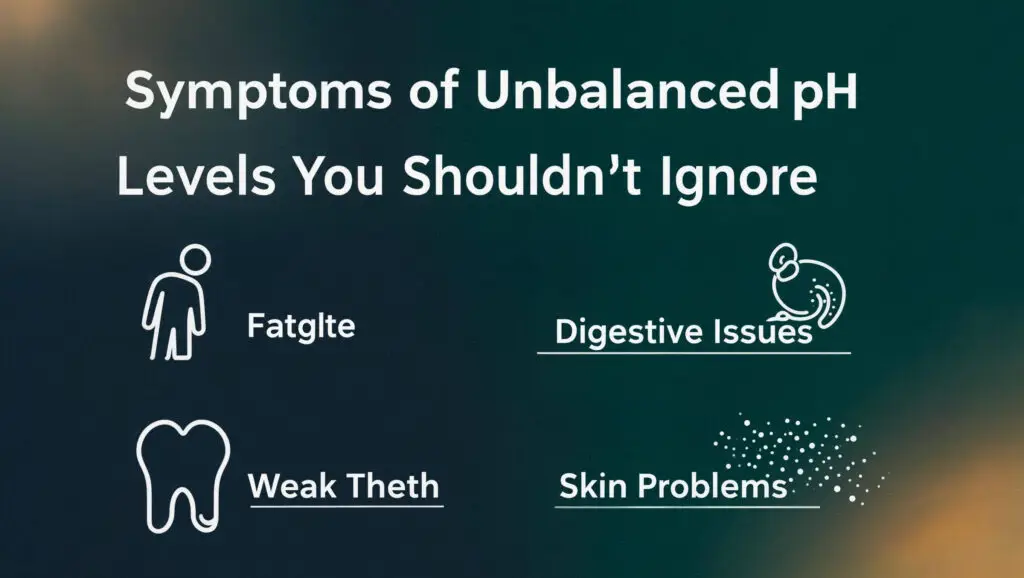

Something can feel “off” in your body long before you understand the reason behind it. For many women, the first clues appear through discomfort, unusual odor, irritation, or recurring infections. These are often early symptoms of unbalanced ph levels that shouldn’t be ignored.
The body naturally maintains delicate pH balances in different areas, especially in the vagina, digestive system, skin, and bloodstream. When those levels shift too far toward acidity or alkalinity, it can disrupt healthy bacteria and trigger a range of uncomfortable symptoms.
Understanding what causes pH imbalance and recognizing the warning signs early can help prevent bigger health issues later. Whether symptoms are mild or persistent, knowing what your body is trying to tell you is the first step toward restoring balance and feeling healthy again.
This guide explains the common causes, physical signs, treatment options, and prevention strategies related to pH imbalance in a clear and practical way.
What Does pH Balance Mean?
Understanding pH Levels
The term “pH” stands for potential hydrogen. It measures how acidic or alkaline a substance is on a scale from 0 to 14.
- A pH below 7 is acidic
- A pH above 7 is alkaline
- A pH of 7 is neutral
Different parts of the body require different pH levels to function properly.
Why pH Balance Matters
Healthy pH levels help maintain:
- Beneficial bacteria
- Protection against infections
- Healthy skin function
- Digestive balance
- Proper metabolic activity
When pH levels become disrupted, harmful bacteria or yeast may grow more easily, leading to irritation and discomfort.
Common Symptoms of Unbalanced pH Levels
Unusual Odor
One of the most common signs of pH imbalance, especially vaginal pH imbalance, is a strong or unusual odor.
Women often describe it as:
- Fishy
- Sour
- Metallic
- Musty
A noticeable change in odor usually indicates that healthy bacteria are no longer balanced properly.
Itching and Irritation
Burning, itching, or irritation may occur when pH levels shift and protective bacteria decrease.
This discomfort may affect:
- Vaginal tissues
- Skin folds
- Intimate areas
Persistent irritation should never be ignored.
Abnormal Discharge
Changes in discharge are another common symptom.
Discharge linked to pH imbalance may appear:
- Gray
- Yellow
- Greenish
- Thick or watery
Texture and smell changes often provide important clues about underlying imbalance.
Vaginal pH and Women’s Health
Normal Vaginal pH Levels
A healthy vaginal pH is usually between 3.8 and 4.5, which is mildly acidic.
This acidic environment helps beneficial bacteria thrive while preventing harmful organisms from growing excessively.
What Disrupts Vaginal pH?
Several everyday factors can disturb vaginal balance, including:
- Antibiotics
- Douching
- Unprotected sex
- Hormonal changes
- Menstruation
- Scented hygiene products
- Tight clothing
Even stress and poor diet may contribute indirectly.

Symptoms of Unbalanced pH Levels and Bacterial Vaginosis
What Is Bacterial Vaginosis?
Bacterial vaginosis occurs when harmful bacteria outgrow beneficial bacteria inside the vagina.
It is one of the most common conditions associated with pH imbalance.
Common BV Symptoms
Symptoms often include:
- Fishy odor
- Thin gray discharge
- Mild irritation
- Burning during urination
Some women experience no symptoms at all, which is why regular awareness is important.
Why BV Keeps Returning
Recurring bacterial vaginosis may result from:
- Repeated pH disruption
- Frequent antibiotic use
- Sexual activity
- Hormonal fluctuations
Long-term prevention usually involves restoring healthy bacterial balance rather than masking symptoms temporarily. You may also read this: Cortisol Triggering Foods That May Increase Stress.
Yeast Infections and pH Imbalance
How Yeast Overgrowth Happens
While yeast infections are not always directly caused by pH imbalance, disrupted vaginal environments can encourage yeast growth.
Common Symptoms
Yeast infection symptoms may include:
- Thick white discharge
- Intense itching
- Swelling
- Burning sensation
- Redness
Unlike bacterial vaginosis, yeast infections often do not produce a strong odor.
Digestive Symptoms Linked to pH Imbalance
Acid Reflux and Heartburn
Digestive pH imbalance may contribute to acid reflux or chronic heartburn.
Symptoms may include:
- Burning chest pain
- Sour taste in the mouth
- Bloating
- Nausea
Gut Bacteria Imbalance
The digestive system depends heavily on healthy bacteria balance.
Poor gut health may cause:
- Gas
- Constipation
- Diarrhea
- Fatigue
- Skin problems
Nutrition plays a major role in supporting digestive pH balance.

Skin Problems and pH Levels
The Skin Has Its Own pH Balance
Healthy skin is naturally slightly acidic, which helps protect against bacteria and environmental damage.
Signs of Skin pH Imbalance
Skin-related symptoms may include:
- Dryness
- Redness
- Acne
- Sensitivity
- Excess oiliness
Overwashing or harsh skincare products can strip the skin’s protective barrier.
Hormonal Changes and pH Imbalance
Menopause and Vaginal pH
Estrogen helps maintain healthy vaginal acidity. During menopause, estrogen declines may increase vaginal pH levels.
This can lead to:
- Dryness
- Irritation
- Increased infections
- Discomfort during intimacy
Pregnancy and Hormonal Fluctuations
Hormonal changes during pregnancy can also temporarily affect vaginal balance and discharge patterns.
Diet and pH Balance
Foods That May Support Healthy pH Levels
A balanced diet supports healthy bacteria and overall wellness.
Helpful foods include:
- Yogurt with probiotics
- Leafy greens
- Fruits
- Whole grains
- Fermented foods
- Plenty of water
Foods That May Contribute to Imbalance
Some foods may worsen inflammation or bacterial imbalance when consumed excessively.
These include:
- Processed sugar
- Alcohol
- Highly processed foods
- Excess refined carbohydrates
Balance is usually more important than strict dietary rules.
Symptoms of Unbalanced pH Levels After Antibiotics
Why Antibiotics Affect Balance
Antibiotics kill harmful bacteria, but they can also reduce beneficial bacteria that protect healthy pH levels.
This may lead to:
- Yeast infections
- Vaginal irritation
- Digestive discomfort
- Recurring imbalance
Supporting Recovery
After antibiotics, many women benefit from:
- Probiotic-rich foods
- Hydration
- Gentle hygiene habits
- Reduced sugar intake
Restoring healthy bacteria can take time.
Hygiene Habits That Affect pH Balance
Avoid Overwashing
Many people mistakenly believe aggressive cleansing improves hygiene. In reality, overwashing can disrupt protective bacteria.
Products to Avoid
Try to limit:
- Scented soaps
- Douches
- Fragranced wipes
- Harsh cleansers
The vagina is naturally self-cleaning and usually requires only gentle external washing.
Sexual Activity and pH Changes
How Semen Affects Vaginal pH
Semen is more alkaline than the vaginal environment, which may temporarily alter vaginal pH after intercourse.
For some women, this contributes to irritation or bacterial imbalance.
Preventive Tips
Helpful strategies may include:
- Urinating after intimacy
- Staying hydrated
- Using protection
- Avoiding irritating lubricants
Stress and pH Imbalance
The Mind-Body Connection
Chronic stress affects hormone levels, immunity, and inflammation throughout the body.
Stress may indirectly contribute to:
- Digestive imbalance
- Skin flare-ups
- Hormonal changes
- Increased susceptibility to infections
Managing Stress Naturally
Helpful stress-management practices include:
- Exercise
- Meditation
- Deep breathing
- Better sleep
- Time outdoors
Reducing stress supports overall body balance.
When Symptoms Become Serious
Warning Signs to Watch For
While mild imbalance may resolve naturally, some symptoms require medical attention.
Seek medical care if you experience:
- Severe pain
- Fever
- Persistent odor
- Unusual bleeding
- Pelvic pain
- Recurrent infections
Early diagnosis helps prevent complications.
Medical Treatments for pH Imbalance
Antibiotics or Antifungal Treatments
Depending on the cause, healthcare providers may prescribe:
- Antibiotics for bacterial vaginosis
- Antifungal medications for yeast infections
Hormonal Treatments
Menopausal vaginal symptoms may improve with estrogen therapy under medical guidance.
Probiotic Support
Some doctors recommend probiotics to help restore healthy bacterial balance.
Natural Ways to Restore Healthy pH Levels
Prioritize Gentle Hygiene
Choose mild, unscented products and avoid unnecessary cleansing.
Wear Breathable Clothing
Cotton underwear and loose-fitting clothing help reduce excess moisture and irritation.
Stay Hydrated
Proper hydration supports healthy body function and natural detoxification.
Maintain a Balanced Diet
Nutrient-rich foods help support healthy bacteria and immune function.
Get Enough Sleep
Poor sleep weakens immune health and may worsen inflammation and hormonal imbalance.
Emotional Impact of Chronic pH Imbalance
Confidence and Comfort Matter
Persistent symptoms can affect:
- Self-confidence
- Relationships
- Intimacy
- Mental well-being
Many women feel embarrassed discussing these issues, but pH imbalance is extremely common and treatable.
Don’t Ignore Persistent Symptoms
Seeking professional care early can reduce frustration and prevent recurring issues.
Symptoms of Unbalanced pH Levels During Menopause
During menopause, hormonal changes make vaginal pH imbalance more common.
Symptoms may include:
- Dryness
- Burning
- Recurrent infections
- Increased sensitivity
- Pain during intimacy
Menopausal changes are normal, but symptoms can often be managed successfully with proper care and medical guidance.
FAQs
What are the most common symptoms of unbalanced ph levels?
Common symptoms include unusual odor, itching, irritation, abnormal discharge, dryness, and recurring infections.
Can diet affect pH balance?
Yes. Diet influences gut bacteria, inflammation, and overall body balance, which may affect pH levels indirectly.
Does stress cause pH imbalance?
Chronic stress can contribute to hormonal and immune changes that may increase the risk of imbalance.
Are vaginal pH imbalances common?
Yes. Vaginal pH fluctuations are extremely common and may occur due to hormones, hygiene habits, medications, or sexual activity.
Can antibiotics disrupt pH balance?
Yes. Antibiotics may kill beneficial bacteria along with harmful bacteria, increasing the risk of imbalance and yeast infections.
Is vaginal odor always caused by pH imbalance?
Not always, but unusual odor is often linked to bacterial imbalance or infection.
How can I restore healthy pH naturally?
Gentle hygiene, probiotics, hydration, healthy nutrition, breathable clothing, and stress management may help restore balance.
Can menopause affect vaginal pH?
Yes. Declining estrogen during menopause often changes vaginal acidity and increases dryness or irritation.
Should I use douches to fix pH imbalance?
No. Douching often worsens imbalance by disrupting healthy bacteria.
When should I see a doctor for pH imbalance symptoms?
Seek medical advice if symptoms are severe, persistent, recurrent, or accompanied by pain, fever, or unusual bleeding.
Conclusion
The body depends on healthy pH balance to protect against irritation, infections, and inflammation. Recognizing symptoms of unbalanced ph levels early can help prevent ongoing discomfort and more serious health concerns.
From unusual odor and irritation to digestive issues and skin changes, pH imbalance can affect multiple areas of health and wellness. Fortunately, many cases improve with proper hygiene habits, balanced nutrition, hydration, stress management, and appropriate medical care when needed.
Listening to your body and addressing symptoms early is one of the best ways to maintain comfort, confidence, and long-term health.