
Have you ever looked in the mirror and felt like your face changed almost overnight? Many women notice unexpected changes in their skin, facial contours, and overall appearance during hormonal transitions. One term increasingly discussed among women and healthcare professionals is low estrogen face.
While aging naturally affects appearance, declining estrogen levels can accelerate certain facial changes that may make women look older or feel less confident. These changes often become noticeable during perimenopause, menopause, or other periods of hormonal imbalance.
Understanding the connection between hormones and facial appearance is important because estrogen influences collagen production, skin hydration, elasticity, fat distribution, and overall skin health. When estrogen levels drop, the face may begin reflecting these internal changes.
This guide explores the science behind facial changes linked to low estrogen, common symptoms, possible treatments, and practical ways to support healthy skin at every stage of life.
What Is Low Estrogen Face?
Understanding the Term
Low estrogen face refers to the collection of facial changes that may occur when estrogen levels decline.
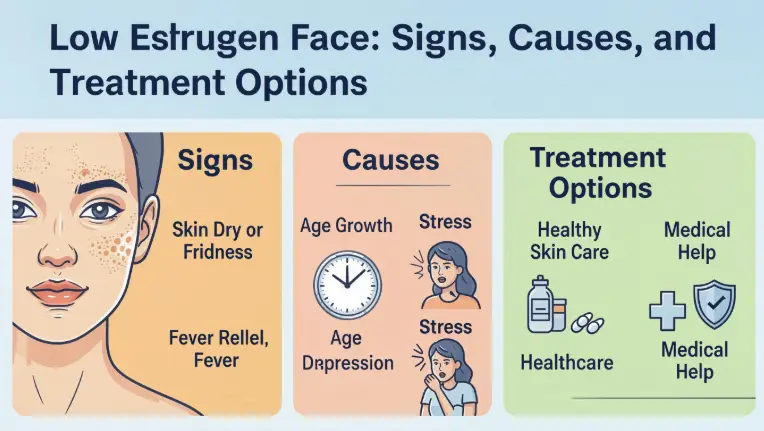
Although not an official medical diagnosis, the term is commonly used to describe visible changes such as:
- Increased wrinkles
- Facial volume loss
- Sagging skin
- Dryness
- Thinner skin texture
- Reduced facial fullness
These changes often become more noticeable during perimenopause and menopause.
Why Estrogen Matters for Facial Appearance
Estrogen affects numerous biological processes that contribute to youthful-looking skin.
The hormone helps maintain:
- Collagen production
- Skin hydration
- Elasticity
- Blood circulation
- Skin thickness
- Fat distribution beneath the skin
When estrogen declines, many of these supportive processes begin to slow.
![Woman examining facial skin changes associated with hormonal fluctuations and aging.]
How Estrogen Supports Healthy Skin
Collagen Production
Collagen is one of the most important structural proteins in the skin.
It helps provide:
- Firmness
- Elasticity
- Strength
- Smooth texture
Research suggests women may experience significant collagen loss during the early years of menopause. You may read this: Menopause Fatigue Causes, Symptoms, and Relief Strategies.
Skin Hydration
Estrogen supports moisture retention within the skin.
Healthy hydration contributes to:
- Smooth texture
- Plump appearance
- Improved elasticity
- Reduced fine lines
Lower estrogen levels often result in drier skin.
Blood Flow and Nutrient Delivery
Healthy circulation helps transport oxygen and nutrients to skin cells.
Estrogen supports vascular function, which contributes to a healthy complexion and skin renewal.
Common Signs of Low Estrogen Face
Increased Fine Lines and Wrinkles
One of the earliest signs involves the appearance of new wrinkles.
These may develop around:
- Eyes
- Mouth
- Forehead
- Neck
Reduced collagen and elasticity contribute to their formation.
Facial Volume Loss
Many women notice a gradual loss of fullness in the cheeks.
This occurs because hormonal changes affect:
- Fat distribution
- Skin structure
- Tissue support
As facial volume decreases, shadows and hollows may become more prominent.
![Infographic showing estrogen’s role in collagen, hydration, elasticity, and facial volume.]
Sagging Skin
Declining collagen and elastin levels can reduce skin firmness.
Common areas affected include:
- Jawline
- Cheeks
- Neck
- Lower face
Dry and Fragile Skin
Low estrogen levels often reduce the skin’s ability to retain moisture.
Symptoms may include:
- Flaking
- Tightness
- Itching
- Rough texture
Dull Complexion
Reduced circulation and slower cellular turnover may contribute to a less vibrant appearance.
Causes of Low Estrogen
Perimenopause
Perimenopause is the transitional phase before menopause.
During this time:
- Hormone levels fluctuate significantly
- Estrogen production becomes irregular
- Symptoms may appear gradually
Facial changes often begin during this stage.
Menopause
Menopause occurs after 12 consecutive months without a menstrual period.
At this stage:
- Estrogen production declines substantially
- Skin aging may accelerate
- Facial changes become more noticeable
Surgical Menopause
Women who undergo removal of both ovaries may experience a sudden drop in estrogen.
This rapid hormonal change can sometimes intensify symptoms.
Medical Conditions
Certain conditions may contribute to low estrogen levels, including:
- Premature ovarian insufficiency
- Autoimmune disorders
- Pituitary dysfunction
Lifestyle Factors
Several lifestyle factors can influence hormone levels:
- Chronic stress
- Excessive exercise
- Poor nutrition
- Smoking
- Severe calorie restriction
Low Estrogen Face and Aging
Hormonal Aging vs Natural Aging
Aging affects everyone, but hormonal changes can accelerate visible signs.
Natural aging involves:
- Gradual collagen decline
- Slower cell turnover
- Reduced elasticity
Hormonal aging may amplify these processes.
Why Facial Changes Often Seem Sudden
Many women report that facial aging appears to accelerate rapidly during menopause.
This perception may result from:
- Significant collagen loss over a short period
- Reduced hydration
- Changes in fat distribution
Together, these factors can create noticeable differences within a few years.
![Healthy mature woman maintaining glowing skin through nutrition, skincare, and healthy lifestyle habits.]
How to Improve the Appearance of Low Estrogen Face
Prioritize Daily Sun Protection
Ultraviolet exposure remains one of the largest contributors to premature skin aging.
Daily sunscreen use helps:
- Protect collagen
- Reduce wrinkles
- Prevent pigmentation issues
Use Hydrating Skincare Products
Hydration-focused products can improve skin comfort and appearance.
Helpful ingredients include:
- Hyaluronic acid
- Ceramides
- Glycerin
- Squalane
Add Retinoids to Your Routine
Retinoids may support:
- Collagen production
- Cell turnover
- Texture improvement
- Wrinkle reduction
Many dermatologists recommend retinoids as part of an anti-aging strategy.
Support Skin From Within
Nutrition plays a critical role in skin health.
Focus on:
- Fruits
- Vegetables
- Healthy fats
- Lean proteins
- Adequate hydration
Nutrients That Support Skin Health
Protein
Protein provides amino acids necessary for collagen production.
Excellent sources include:
- Fish
- Eggs
- Poultry
- Greek yogurt
- Legumes
Vitamin C
Vitamin C contributes directly to collagen synthesis.
Foods rich in vitamin C include:
- Citrus fruits
- Strawberries
- Bell peppers
- Kiwi
Omega-3 Fatty Acids
Omega-3s support skin barrier function and hydration.
Sources include:
- Salmon
- Sardines
- Walnuts
- Chia seeds
Zinc
Zinc supports tissue repair and healthy skin renewal.
Can Hormone Therapy Help?
Understanding Hormone Replacement Therapy
Hormone replacement therapy (HRT) is sometimes prescribed to alleviate symptoms associated with estrogen decline.
Potential benefits may include:
- Improved skin hydration
- Better elasticity
- Reduced dryness
- Enhanced skin thickness
Important Considerations
HRT is not appropriate for everyone.
Treatment decisions should always involve:
- Medical evaluation
- Discussion of risks and benefits
- Individual health history review
Non-Surgical Cosmetic Options
Dermal Fillers
Fillers may help restore facial volume lost due to aging and hormonal changes.
Common treatment areas include:
- Cheeks
- Nasolabial folds
- Under-eye hollows
Microneedling
Microneedling stimulates collagen production and may improve skin texture.
Laser Treatments
Certain laser procedures help address:
- Fine lines
- Pigmentation
- Skin texture
Radiofrequency Treatments
These treatments aim to improve skin tightening and collagen remodeling.
Lifestyle Habits That Support Hormonal Health
Manage Stress
Chronic stress can influence hormone balance and overall well-being.
Helpful strategies include:
- Meditation
- Yoga
- Journaling
- Mindfulness exercises
Exercise Regularly
Regular physical activity supports:
- Circulation
- Bone health
- Mood
- Hormonal balance
Prioritize Sleep
Quality sleep supports cellular repair and overall health.
Most adults benefit from seven to nine hours nightly.
Frequently Asked Questions
What is low estrogen face?
Low estrogen face refers to visible facial changes associated with declining estrogen levels, including wrinkles, dryness, sagging skin, and volume loss.
At what age does low estrogen face typically appear?
Many women begin noticing changes during perimenopause, which often starts in the 40s, though timing varies.
Can low estrogen make you look older?
Yes. Reduced estrogen may accelerate collagen loss, skin thinning, and other visible aging changes.
Does menopause cause facial volume loss?
Menopause may contribute to changes in fat distribution and collagen levels that affect facial fullness.
Can skincare products reverse low estrogen face?
Skincare can improve hydration, texture, and appearance, but it cannot fully replace lost estrogen.
Does hormone therapy improve skin appearance?
Some women experience improved hydration, elasticity, and skin thickness with hormone therapy.
What foods support healthy skin during menopause?
Foods rich in protein, vitamin C, omega-3 fatty acids, and antioxidants support skin health.
Is low estrogen face permanent?
Many aspects can be improved through skincare, lifestyle changes, medical treatments, and cosmetic procedures.
Can stress worsen facial aging?
Chronic stress may contribute to inflammation and accelerate visible aging.
Should I see a doctor if I suspect low estrogen?
If you experience symptoms of hormonal imbalance, consulting a healthcare professional is recommended.
Conclusion
Low estrogen face reflects the close connection between hormonal health and skin appearance. As estrogen levels decline, changes such as dryness, wrinkles, reduced elasticity, and facial volume loss may become more noticeable. While these changes are a natural part of aging and menopause, understanding their causes empowers women to take proactive steps. Through healthy lifestyle habits, proper skincare, nutritional support, and professional guidance when needed, it is possible to maintain healthy, vibrant skin and feel confident throughout every stage of life.