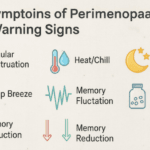

Turning 40 often brings unexpected changes that no one really prepares you for. One month everything feels normal, and the next you’re dealing with sleep issues, mood swings, or periods that suddenly don’t follow the rules anymore. If this sounds familiar, you may already be noticing age 40 early perimenopause symptoms without realizing it.
Many women are surprised to learn that perimenopause can begin earlier than expected—sometimes right around age 40 or even in the late 30s. Because these changes are gradual, they are often mistaken for stress, burnout, or simply getting older.
Understanding these early symptoms can help you make sense of what your body is experiencing and take steps to support your health before symptoms intensify.
What Happens to the Body at Age 40?
Around age 40, ovarian hormone production begins to shift. Estrogen and progesterone levels no longer follow a stable monthly pattern, and this hormonal fluctuation is the foundation of early perimenopause.
These changes affect multiple systems in the body, including:
- Reproductive health
- Mood regulation
- Sleep cycles
- Energy levels
- Metabolism
- Cognitive function
Even subtle shifts can produce noticeable symptoms.
Why Age 40 Is a Turning Point
For many women, age 40 marks the beginning of hormonal unpredictability.
This happens because:
- Egg supply naturally declines
- Hormone signals become irregular
- Ovulation becomes less consistent
- Stress sensitivity increases
These factors contribute directly to age 40 early perimenopause symptoms, even before menopause is years away.
Age 40 Early Perimenopause Symptoms: The First Signs
Irregular Menstrual Cycles
One of the earliest and most noticeable changes.
You may experience:
- Shorter cycles
- Longer cycles
- Missed periods
- Heavier bleeding
- Lighter bleeding
Cycle unpredictability is often the first clue.
Mood Swings and Emotional Sensitivity
Hormonal fluctuations strongly affect brain chemistry.
Common experiences include:
- Irritability
- Sudden sadness
- Emotional overwhelm
- Increased sensitivity
These emotional shifts can feel unfamiliar and intense.
Sleep Disturbances
Sleep problems often appear early.
Symptoms may include:
- Trouble falling asleep
- Frequent waking
- Restless sleep
- Early morning waking
Poor sleep can amplify other symptoms.
Fatigue and Low Energy
Even with normal sleep, many women feel unusually tired.
This fatigue may feel like:
- Physical exhaustion
- Mental burnout
- Lack of motivation
Brain Fog and Forgetfulness
Cognitive changes are common at age 40.
You may notice:
- Trouble focusing
- Forgetting words
- Mental sluggishness
- Difficulty multitasking
Physical Age 40 Early Perimenopause Symptoms
Hot Flashes and Temperature Changes
Some women begin experiencing early hot flashes.
These may feel like:
- Sudden warmth
- Facial flushing
- Sweating episodes
Weight Gain and Metabolic Changes
Hormonal shifts can affect metabolism.
Changes may include:
- Increased belly fat
- Slower metabolism
- Difficulty losing weight
Breast Tenderness
Hormonal fluctuations may cause:
- Soreness
- Swelling
- Sensitivity
Headaches and Migraines
Estrogen changes can trigger:
- Frequent headaches
- Hormonal migraines
- Increased intensity
Joint Pain and Body Aches
Some women notice:
- Stiff joints
- Muscle soreness
- General discomfort
Less Obvious Symptoms at Age 40
Not all symptoms are widely discussed.
Anxiety and Restlessness
Hormonal imbalance may increase:
- Worry
- Nervous energy
- Racing thoughts
Reduced Stress Tolerance
You may feel overwhelmed more easily than before.
Changes in Libido
Some women notice:
- Lower sexual desire
- Reduced arousal
- Vaginal dryness
Digestive Changes
Hormonal shifts may affect digestion, causing:
- Bloating
- Food sensitivity
- Irregular bowel patterns
Why Symptoms Feel Different at Age 40
Unlike later menopause stages, early perimenopause symptoms are subtle and inconsistent. You may read this: Press Ganey Login: Access Guide, Portal Help & Troubleshooting.
This happens because:
- Hormones still fluctuate monthly
- Ovulation may still occur
- Estrogen levels rise and fall unpredictably
That unpredictability makes symptoms harder to identify.
How to Track Early Perimenopause Symptoms
Tracking helps identify patterns.
You can monitor:
- Cycle changes
- Sleep quality
- Mood fluctuations
- Energy levels
- Physical symptoms
Over time, patterns become clearer.
When to See a Doctor
You should seek medical advice if you experience:
- Very heavy bleeding
- Severe mood changes
- Persistent fatigue
- Major sleep disruption
- Sudden cycle irregularity
A doctor can rule out other conditions such as:
- Thyroid disorders
- Iron deficiency
- Stress-related conditions
Managing Age 40 Early Perimenopause Symptoms
Improve Sleep Habits
Helpful steps include:
- Consistent bedtime
- Reduced screen time
- Cooler sleeping environment
Support Hormonal Balance Through Lifestyle
This may include:
- Regular exercise
- Balanced nutrition
- Stress reduction
Reduce Stress Levels
Stress management techniques include:
- Deep breathing
- Yoga
- Meditation
- Walking
Consider Medical Support
Depending on symptoms, treatment options may include:
- Hormone therapy
- Sleep support
- Nutritional guidance
FAQ
Can perimenopause really start at age 40?
Yes, many women begin experiencing hormonal changes around this age.
What is the first symptom of perimenopause at 40?
Irregular periods are often the earliest sign.
Can stress cause similar symptoms?
Yes, but hormonal changes often intensify stress effects.
Do all women have symptoms at 40?
No, symptoms vary widely between individuals.
Can symptoms come and go?
Yes, hormonal fluctuations make symptoms inconsistent.
Should I get hormone testing?
It can help, but diagnosis is often based on symptoms.
Does perimenopause affect mental health?
Yes, mood swings and anxiety are common.
Can lifestyle changes help?
Yes, healthy habits can significantly reduce symptoms.
Conclusion
Recognizing age 40 early perimenopause symptoms can make a major difference in how you understand and manage this stage of life. What may feel like random changes is often your body’s natural transition into a new hormonal phase.
By paying attention to early signs, tracking patterns, and seeking support when needed, you can navigate this transition with greater clarity, balance, and confidence.