
You sleep through the night, drink your morning coffee, and try to maintain your usual routine—yet exhaustion seems to follow you everywhere. If this sounds familiar, menopause fatigue may be playing a significant role in how you’re feeling.
Many women expect symptoms such as hot flashes and mood swings during menopause, but persistent tiredness often catches them by surprise. This overwhelming lack of energy can affect work performance, relationships, physical activity, and overall quality of life.
Understanding why menopause fatigue occurs and learning practical ways to manage it can help women regain energy, improve well-being, and navigate this life transition with greater confidence.
What Is Menopause Fatigue?
Fatigue during menopause is more than simply feeling tired after a busy day.
Definition of Menopause Fatigue
Menopause fatigue refers to persistent physical, mental, or emotional exhaustion associated with hormonal changes that occur during perimenopause and menopause.
Women may experience:
- Low energy levels
- Reduced motivation
- Mental fog
- Physical weakness
- Difficulty concentrating
Unlike ordinary tiredness, this fatigue often persists despite adequate rest.
Why It Matters
Energy influences nearly every aspect of daily life.
When fatigue becomes chronic, it may affect:
- Productivity
- Relationships
- Exercise habits
- Mental health
- Sleep quality
Recognizing the underlying causes is the first step toward improvement.

Why Menopause Causes Fatigue
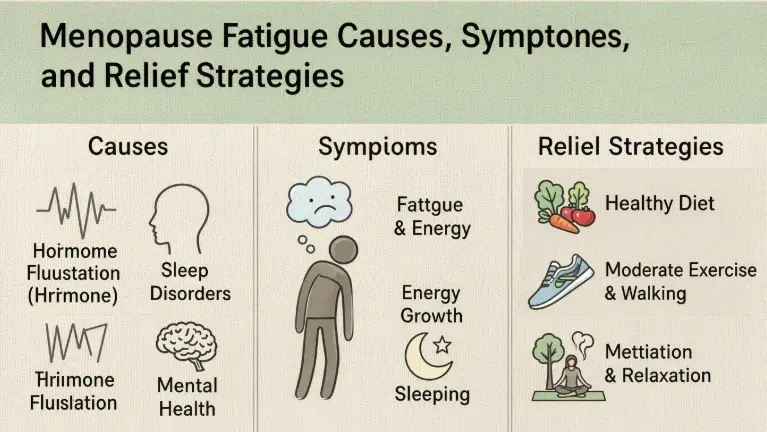
Several biological and lifestyle factors contribute to fatigue during menopause.
Hormonal Changes
One of the primary causes of menopause fatigue is fluctuating hormone levels.
Estrogen and progesterone influence:
- Energy production
- Sleep regulation
- Mood stability
- Brain function
As hormone levels decline, many women notice significant changes in energy.
Sleep Disruptions
Sleep problems are common during menopause.
Contributing factors include:
- Night sweats
- Hot flashes
- Insomnia
- Frequent awakenings
Poor sleep quality can quickly lead to daytime exhaustion. You may read this: Vitamins to Balance Hormones for Females Naturally.
Emotional Stress
Menopause often coincides with other life transitions.
Women may also be managing:
- Career demands
- Family responsibilities
- Aging parents
- Personal health concerns
Chronic stress can further worsen fatigue.
Common Symptoms Associated With Menopause Fatigue
Fatigue often appears alongside other symptoms.
Physical Symptoms
Women frequently report:
- Muscle weakness
- Low stamina
- Increased need for rest
- Slower recovery after activity
These changes can make daily tasks feel more challenging.
Cognitive Symptoms
Mental fatigue is equally common.
Symptoms may include:
- Brain fog
- Forgetfulness
- Reduced concentration
- Difficulty multitasking
These issues can impact work and personal life.

Emotional Symptoms
Fatigue often affects emotional well-being.
Common experiences include:
- Irritability
- Mood swings
- Anxiety
- Reduced motivation
Addressing fatigue can often improve emotional health as well.
Menopause Fatigue and Sleep Quality
Sleep and energy are closely connected.
The Impact of Night Sweats
Night sweats can interrupt sleep multiple times throughout the night.
Consequences include:
- Fragmented sleep
- Reduced deep sleep
- Daytime drowsiness
Even brief awakenings can affect energy levels.
Insomnia During Menopause
Hormonal fluctuations may contribute to difficulty falling asleep or staying asleep.
Improving sleep quality is often one of the most effective ways to manage menopause fatigue.
Lifestyle Factors That Influence Energy Levels
Daily habits play an important role.
Nutrition and Energy
A balanced diet supports energy production.
Focus on:
- Lean proteins
- Fruits and vegetables
- Whole grains
- Healthy fats
Stable blood sugar levels help prevent energy crashes.
Hydration
Dehydration can worsen feelings of fatigue.
Aim for consistent fluid intake throughout the day.
Physical Activity
Regular exercise may seem difficult when tired, but movement often improves energy over time.
Beneficial activities include:
- Walking
- Swimming
- Strength training
- Yoga
Exercise also supports sleep quality.

Medical Conditions That Can Mimic Menopause Fatigue
Not all fatigue is caused solely by menopause.
Thyroid Disorders
Symptoms of thyroid dysfunction often overlap with menopausal symptoms.
Possible signs include:
- Fatigue
- Weight changes
- Mood shifts
Medical evaluation may be necessary.
Iron Deficiency
Low iron levels can significantly reduce energy.
Women experiencing persistent exhaustion should discuss testing with their healthcare provider.
Sleep Apnea
Sleep apnea becomes more common with age and may contribute to chronic fatigue.
Symptoms include:
- Loud snoring
- Morning headaches
- Excessive daytime sleepiness
Proper diagnosis is important.
Natural Ways to Reduce Menopause Fatigue
Many women find relief through lifestyle adjustments.
Prioritize Sleep Hygiene
Healthy sleep habits include:
- Consistent bedtimes
- Limiting screen exposure
- Keeping the bedroom cool
- Reducing caffeine intake
These strategies support restorative sleep.
Manage Stress
Chronic stress can drain energy reserves.
Helpful techniques include:
- Meditation
- Deep breathing
- Journaling
- Mindfulness practices
Stress management often improves overall well-being.
Maintain Social Connections
Supportive relationships contribute to emotional resilience and mental health.
Strong social networks may help women cope more effectively with menopause-related challenges.
Medical Treatments and Professional Support
Some women require additional support.
Hormone Therapy
Hormone therapy may help address symptoms linked to hormonal fluctuations.
Potential benefits include:
- Improved sleep
- Reduced hot flashes
- Enhanced energy levels
Treatment decisions should be discussed with a qualified healthcare professional.
Cognitive Behavioral Therapy
CBT may help improve sleep patterns and reduce stress.
This evidence-based approach can be beneficial for many women experiencing fatigue.
Nutritional Support
Healthcare providers may recommend supplements when deficiencies are identified.
Common considerations include:
- Iron
- Vitamin D
- Vitamin B12
Professional guidance is important before starting supplements.
Building an Energy-Supportive Routine
Consistency matters.
Morning Habits
Support energy by:
- Getting natural sunlight
- Eating a balanced breakfast
- Moving your body
Healthy mornings can positively influence the entire day.
Midday Energy Management
Avoid relying solely on caffeine.
Instead:
- Stay hydrated
- Take short movement breaks
- Eat balanced meals
These habits support sustained energy.
Evening Preparation
Prepare for restful sleep by establishing calming routines and reducing stimulating activities before bedtime.
Common Mistakes to Avoid
Ignoring Persistent Fatigue
Severe or ongoing fatigue should not be dismissed as a normal part of aging.
Overusing Caffeine
Excessive caffeine can disrupt sleep and contribute to energy fluctuations.
Skipping Meals
Inconsistent eating patterns may worsen fatigue.
Neglecting Exercise
While rest is important, complete inactivity can sometimes reduce energy levels further.
FAQs
What is menopause fatigue?
Menopause fatigue refers to persistent physical, mental, or emotional exhaustion related to hormonal changes during menopause.
How long does menopause fatigue last?
The duration varies from person to person. Some women experience symptoms for months, while others notice fatigue for several years.
Can menopause cause extreme tiredness?
Yes. Hormonal fluctuations, sleep disruptions, and emotional stress can contribute to significant fatigue.
Does hormone therapy help with fatigue?
For some women, hormone therapy may improve symptoms by addressing hormonal imbalances.
What foods help increase energy during menopause?
Lean proteins, fruits, vegetables, whole grains, and healthy fats support stable energy levels.
Is exercise helpful when feeling fatigued?
Yes. Regular physical activity often improves energy, mood, and sleep quality over time.
Can stress make menopause fatigue worse?
Absolutely. Chronic stress can intensify fatigue and interfere with restorative sleep.
When should I see a doctor?
Seek medical advice if fatigue is severe, persistent, worsening, or interfering significantly with daily life.
Conclusion
Experiencing menopause fatigue can be frustrating and overwhelming, particularly when it affects everyday activities and overall quality of life. However, understanding the underlying causes provides a valuable foundation for managing symptoms effectively. By prioritizing sleep, maintaining healthy lifestyle habits, addressing stress, and seeking medical guidance when needed, women can take meaningful steps toward improving energy levels and supporting long-term wellness throughout the menopausal transition.