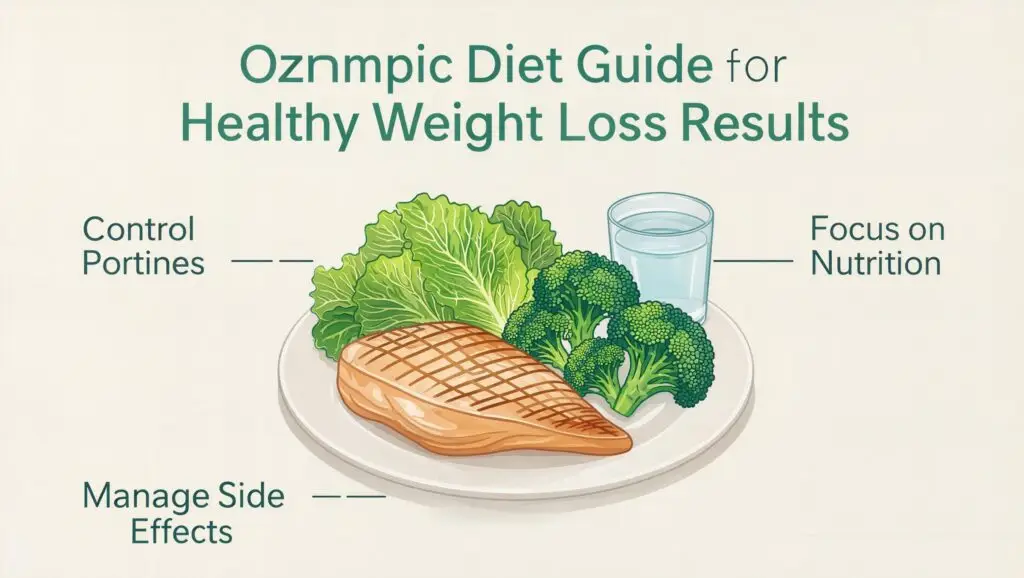

Losing weight can feel frustrating when hunger, cravings, and slow progress constantly get in the way. That’s one reason the ozempic diet has become such a major topic among people looking for sustainable weight loss and better blood sugar control.
Ozempic, a medication containing semaglutide, works by helping regulate appetite, slowing digestion, and improving blood sugar balance. While the medication itself can support weight loss, long-term success often depends heavily on eating habits, nutrition quality, hydration, and lifestyle choices.
Many people quickly realize that eating the same foods they consumed before starting Ozempic may worsen side effects like nausea, bloating, fatigue, or digestive discomfort. Others struggle to eat enough protein or nutrients because appetite drops so dramatically.
Understanding how to structure meals, which foods support the body best, and how to manage common side effects can make the experience far more effective and sustainable. This guide explains what to eat, what to avoid, meal strategies, hydration tips, and healthy habits that support success while using Ozempic.
What Is Ozempic?
Understanding Semaglutide
Ozempic is a prescription medication originally developed for type 2 diabetes management. It belongs to a class of medications called GLP-1 receptor agonists.
These medications help regulate:
- Appetite
- Blood sugar levels
- Insulin response
- Digestion speed
Many people using Ozempic also experience significant weight loss.
How Ozempic Supports Weight Loss
Ozempic works partly by slowing stomach emptying and increasing feelings of fullness.
This may help reduce:
- Frequent snacking
- Portion sizes
- Cravings
- Emotional eating
However, nutrition quality still matters greatly for energy, muscle maintenance, and overall health.

Why Diet Matters While Taking Ozempic
Appetite Reduction Can Be Misleading
Many people naturally eat less on Ozempic, but eating too little or relying on poor-quality foods can create new problems.
Inadequate nutrition may contribute to:
- Fatigue
- Muscle loss
- Hair thinning
- Weakness
- Nutrient deficiencies
Supporting Long-Term Success
A healthy diet helps:
- Maintain muscle mass
- Reduce side effects
- Improve digestion
- Support energy levels
- Stabilize blood sugar
The goal is not simply eating less, but eating smarter. You may also read this: Menopause Bloating Causes.
Best Foods for an Ozempic Diet
Lean Protein Sources
Protein becomes especially important during weight loss because it helps preserve muscle mass and supports fullness.
Good protein options include:
- Chicken breast
- Turkey
- Eggs
- Fish
- Greek yogurt
- Tofu
- Cottage cheese
- Lentils
Protein-rich meals may also help reduce nausea for some people.
Fiber-Rich Foods
Fiber supports digestion and helps stabilize blood sugar.
Helpful sources include:
- Vegetables
- Fruits
- Oats
- Chia seeds
- Beans
- Whole grains
Increasing fiber gradually is important to avoid digestive discomfort.

Healthy Fats and Satiety
Why Healthy Fats Matter
Healthy fats support hormones, brain function, and long-lasting fullness.
Nutritious fat sources include:
- Avocados
- Nuts
- Olive oil
- Seeds
- Fatty fish
Portion Awareness Is Important
Because Ozempic slows digestion, very large or high-fat meals may worsen nausea and bloating.
Moderation often improves comfort.
Foods to Avoid on an Ozempic Diet
Fried and Greasy Foods
Heavy fried foods commonly worsen digestive side effects.
Many people report increased:
- Nausea
- Bloating
- Acid reflux
- Stomach discomfort
Sugary Foods and Drinks
Highly processed sugary foods may increase blood sugar fluctuations and cravings.
Examples include:
- Soda
- Candy
- Pastries
- Sweetened coffee drinks
Large Portions
Eating too quickly or consuming oversized meals may increase nausea because digestion slows significantly on Ozempic.
Smaller meals are often easier to tolerate.
Hydration and Ozempic
Why Hydration Matters
Reduced appetite sometimes causes people to unintentionally drink less water.
Dehydration may worsen:
- Fatigue
- Constipation
- Headaches
- Dizziness
Helpful Hydration Tips
Try to:
- Sip water throughout the day
- Drink electrolytes when needed
- Limit sugary beverages
- Increase fluids during exercise
Hydration becomes especially important when digestive side effects occur.
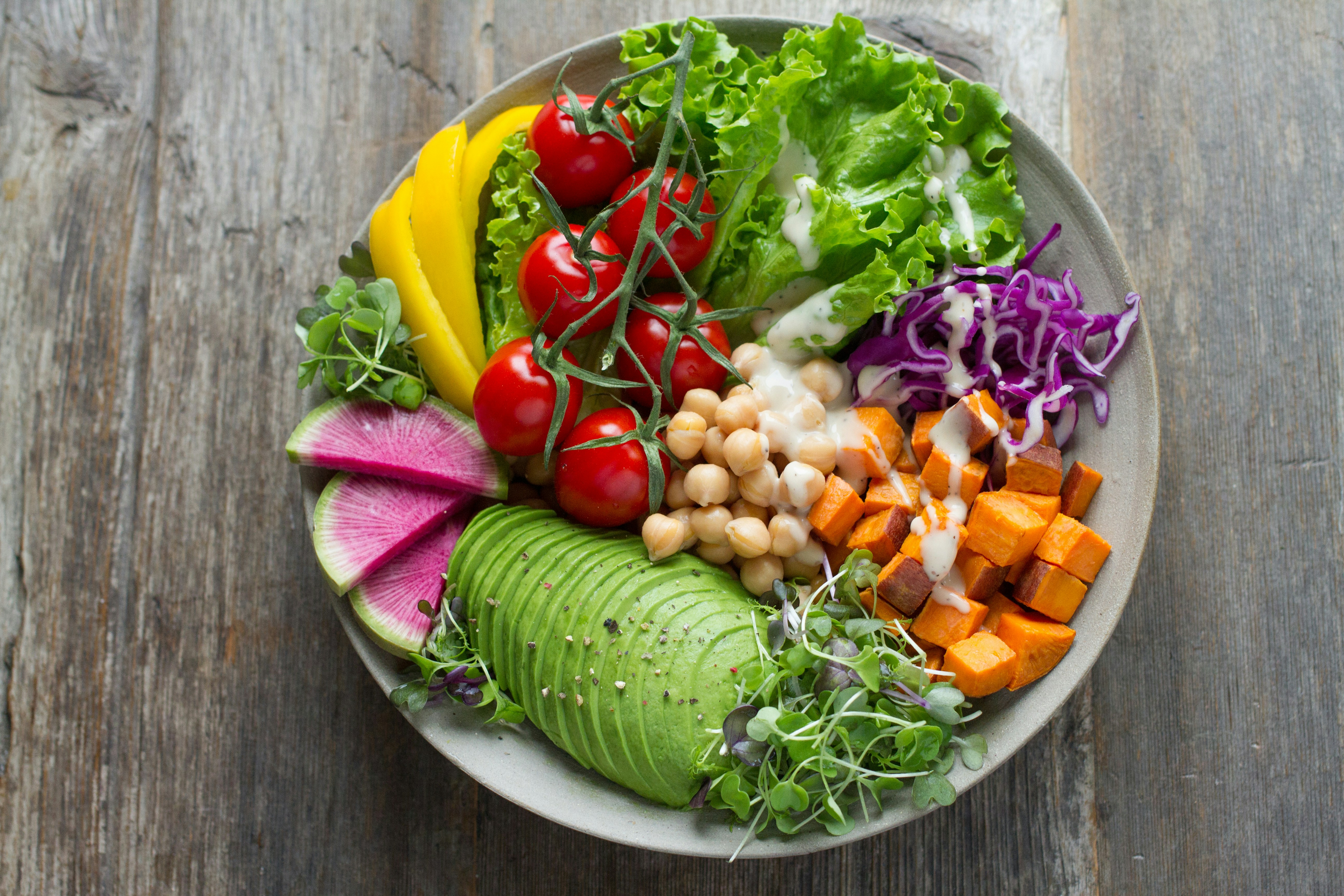
Ozempic Diet and Digestive Side Effects
Common Digestive Symptoms
Many users experience temporary side effects, including:
- Nausea
- Constipation
- Diarrhea
- Bloating
- Acid reflux
Foods That May Reduce Nausea
Gentle foods are often easier to tolerate, such as:
- Crackers
- Toast
- Rice
- Bananas
- Applesauce
- Soup
Eating slowly and avoiding overeating can also help.
Protein Intake and Muscle Preservation
Weight Loss Without Muscle Loss
Rapid weight loss may lead to muscle loss if protein intake is too low.
Preserving muscle supports:
- Metabolism
- Strength
- Energy levels
- Long-term weight maintenance
Protein Goals
Many healthcare professionals encourage prioritizing protein at every meal while using GLP-1 medications.
Meal Timing and Eating Habits
Smaller Meals Work Better
Because Ozempic slows digestion, smaller balanced meals are often more comfortable than large meals.
Eating Slowly Matters
Fast eating may worsen:
- Nausea
- Fullness
- Bloating
Mindful eating becomes especially important during treatment.
Blood Sugar Stability
Ozempic and Glucose Control
Ozempic was originally designed to improve blood sugar regulation in people with type 2 diabetes.
Balanced meals help support stable glucose levels alongside medication.
Helpful Blood Sugar Foods
Supportive foods include:
- Lean proteins
- High-fiber vegetables
- Healthy fats
- Whole grains
Limiting highly processed foods may improve energy consistency.
Emotional Eating and Ozempic
Appetite Changes Can Feel Emotional
Many users notice dramatic appetite reduction, which may change emotional relationships with food.
Some people feel relieved, while others feel anxious or disconnected from old eating habits.
Building Healthier Food Habits
Ozempic works best when combined with:
- Mindful eating
- Stress management
- Emotional awareness
- Balanced nutrition
Long-term behavioral habits still matter.
Ozempic Diet for Weight Loss Maintenance
Weight Maintenance Requires Lifestyle Changes
Medication alone rarely guarantees permanent results.
Long-term success often depends on:
- Consistent eating habits
- Physical activity
- Sleep quality
- Stress management
Why Some People Regain Weight
Weight regain may occur after stopping medication if sustainable habits were never developed.
Lifestyle support is essential.
Exercise and the Ozempic Diet
Why Movement Matters
Exercise supports:
- Fat loss
- Muscle preservation
- Blood sugar balance
- Mental health
- Energy levels
Best Exercise Types
Helpful activities include:
- Walking
- Strength training
- Cycling
- Swimming
- Yoga
Strength training becomes especially important during weight loss.
Constipation and Fiber Balance
Constipation Is Common
Slower digestion may increase constipation risk.
Helpful Strategies
To support digestion:
- Increase water intake
- Add fiber gradually
- Stay physically active
- Include fruits and vegetables
Overloading fiber too quickly may worsen bloating.
Alcohol and Ozempic
Alcohol May Worsen Side Effects
Some users experience stronger nausea or blood sugar fluctuations after drinking alcohol while taking Ozempic.
Moderation Matters
If consuming alcohol:
- Eat beforehand
- Stay hydrated
- Monitor tolerance carefully
Individual responses vary significantly.
Ozempic Diet and Nutrient Deficiencies
Eating Less Requires Smarter Nutrition
Reduced appetite may lower intake of important nutrients.
Potential concerns include:
- Protein deficiency
- Low iron
- Low B vitamins
- Inadequate fiber
Nutrient-Dense Foods Are Essential
Focus on foods rich in:
- Protein
- Vitamins
- Minerals
- Healthy fats
- Fiber
Quality matters more than extreme restriction.
Social Situations and Eating Out
Restaurant Meals Can Feel Different
Large restaurant portions may suddenly feel overwhelming while taking Ozempic.
Helpful strategies include:
- Sharing meals
- Eating slowly
- Prioritizing protein
- Avoiding greasy foods
Listening to Fullness Signals
Stopping when comfortably full helps reduce discomfort later.
Sleep and Weight Loss
Poor Sleep Affects Appetite Hormones
Sleep strongly influences hunger, cravings, metabolism, and stress hormones.
Lack of sleep may increase:
- Emotional eating
- Sugar cravings
- Fatigue
- Weight retention
Supporting Better Sleep
Helpful habits include:
- Consistent bedtime routines
- Reduced screen time
- Balanced evening meals
- Stress management
Sleep quality supports long-term results.
Ozempic Diet and Long-Term Health
Sustainable Weight Loss Matters Most
The healthiest results usually happen gradually through consistent habits.
Extreme restriction may increase the risk of:
- Muscle loss
- Fatigue
- Nutritional imbalance
Focus on Overall Wellness
The best outcomes often come from combining:
- Balanced nutrition
- Regular movement
- Hydration
- Stress management
- Adequate protein
- Consistent sleep
Weight loss is only one part of overall health.
FAQs
What is an ozempic diet?
An ozempic diet focuses on balanced nutrition, protein intake, hydration, and smaller meals to support weight loss and reduce medication side effects.
What foods should I avoid while taking Ozempic?
Many people avoid fried foods, greasy meals, sugary drinks, and oversized portions because they may worsen nausea or digestive discomfort.
Why is protein important on Ozempic?
Protein helps preserve muscle mass, improve fullness, and support healthy metabolism during weight loss.
Can Ozempic cause nausea?
Yes. Nausea is one of the most common side effects, especially during dose increases.
Should I eat less while taking Ozempic?
Most people naturally eat less, but nutrition quality still matters to prevent fatigue and muscle loss.
Can I drink alcohol on Ozempic?
Some people can tolerate moderate alcohol intake, but alcohol may worsen nausea and blood sugar fluctuations.
What helps constipation on Ozempic?
Hydration, gradual fiber intake, physical activity, and balanced meals may help support digestion.
Is exercise necessary while using Ozempic?
Exercise helps preserve muscle, improve metabolism, and support long-term weight maintenance.
How quickly do people lose weight on Ozempic?
Results vary widely depending on dosage, lifestyle habits, and individual response.
Can weight return after stopping Ozempic?
Yes. Weight regain may occur if long-term nutrition and lifestyle habits are not maintained.
Conclusion
The growing popularity of the ozempic diet reflects how many people are searching for healthier, more sustainable approaches to weight management and metabolic health. While Ozempic may significantly reduce appetite and support weight loss, lasting success depends heavily on nutrition quality, hydration, movement, sleep, and balanced daily habits.
Focusing on protein-rich meals, fiber, hydration, and smaller portions can help reduce side effects while supporting energy and muscle preservation. At the same time, avoiding heavily processed foods, overeating, and nutritional neglect helps create a more comfortable and sustainable experience.
Ultimately, the most successful results come from treating Ozempic as a supportive tool rather than a standalone solution. Healthy routines, realistic expectations, and long-term consistency remain the foundation of meaningful and lasting progress.