
Many women spend years feeling unlike themselves—tired for no clear reason, struggling with low desire, mood changes, brain fog, or unexplained loss of motivation. Often, these symptoms are dismissed as “just stress” or “part of aging.” But hormones can play a major role.
Testosterone cream for women has gained increasing attention as more women learn that testosterone is not just a male hormone. Women naturally produce testosterone too, and when levels decline, it can affect energy, confidence, sexual wellness, muscle strength, and overall quality of life.
For women navigating menopause, perimenopause, surgical menopause, or hormonal imbalance, understanding testosterone therapy can be life-changing. This guide explains how it works, who may benefit, potential risks, and what to expect.
What Is Testosterone?
Testosterone is an androgen hormone produced primarily in the ovaries and adrenal glands in women. Although women produce much less testosterone than men, it still plays an essential role in health and wellness.
Testosterone supports several bodily functions, including:
- Sexual desire and arousal
- Muscle development
- Bone density
- Energy production
- Mood regulation
- Cognitive performance
When testosterone drops below optimal levels, symptoms may gradually appear and worsen over time.
Why Women Need Testosterone
Many people assume estrogen and progesterone are the only important female hormones. In reality, testosterone contributes significantly to vitality and emotional wellbeing.
Healthy testosterone levels can help women maintain:
- Stronger physical performance
- Better motivation
- Improved libido
- Faster recovery from exercise
- Sharper mental clarity
Low testosterone doesn’t affect every woman the same way, but its impact can be substantial.
What Is Testosterone Cream for Women?
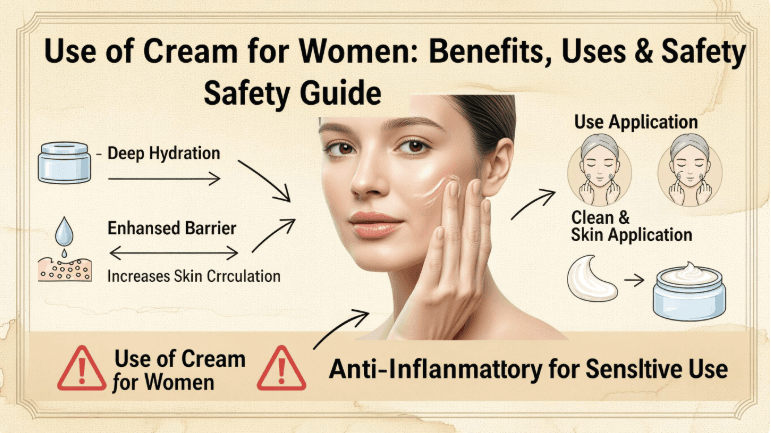
Testosterone cream for women is a topical hormone therapy designed to deliver small, controlled amounts of testosterone through the skin.
The cream is typically applied to areas such as:
- Inner thigh
- Lower abdomen
- Upper arm
- Buttocks
Once absorbed, the hormone enters the bloodstream and gradually increases testosterone levels.
Unlike oral hormones, topical creams bypass first-pass liver metabolism, which may improve tolerability for some women.
How It Works
After application, testosterone penetrates the skin and circulates through the body. Over time, this may improve symptoms associated with low androgen levels.
Most women do not feel immediate changes. Benefits usually develop over weeks or months.
Common treatment goals include:
- Improved sexual function
- Better stamina
- Reduced fatigue
- Improved emotional resilience
Who Might Benefit from Testosterone Cream for Women?
Not every woman needs hormone therapy, but some groups may benefit more than others.
Women in Menopause or Perimenopause
Testosterone levels naturally decline with age, especially during menopause.
This may cause:
- Reduced libido
- Vaginal dryness
- Fatigue
- Mood instability
- Decreased motivation
For some women, testosterone cream for women helps restore balance.
Women with Surgical Menopause
Women who have had ovaries removed often experience a sudden hormone crash.
Symptoms can become intense due to rapid testosterone decline.
Women with Low Sexual Desire
Low libido is one of the most common reasons women explore testosterone therapy.
Healthcare providers may consider treatment when low desire causes distress and other causes have been ruled out.
Benefits of Testosterone Cream for Women
Benefits vary from person to person, but several improvements are commonly reported.
Increased Libido
This is often the primary reason women consider therapy.
Improved testosterone levels may enhance:
- Sexual thoughts
- Desire
- Arousal
- Sensitivity
- Satisfaction
Many women report feeling more connected to intimacy again.
Better Energy Levels
Persistent fatigue can be frustrating and difficult to explain.
Low testosterone may contribute to low physical and mental stamina.
Women using testosterone cream for women sometimes describe improved daily energy and reduced exhaustion.
Improved Mood and Confidence
Hormones influence neurotransmitters involved in mood.
Balanced testosterone may help improve:
- Motivation
- Emotional resilience
- Confidence
- Drive
Some women report feeling more like themselves again.
Increased Muscle Strength
Testosterone supports lean muscle mass and recovery.
This may help with:
- Exercise performance
- Strength maintenance
- Body composition
Better Cognitive Function
Brain fog is a frequent complaint during hormone transitions.
Some women notice improvements in:
- Focus
- Memory
- Mental clarity
Potential Side Effects
Like any hormone therapy, risks exist.
Possible side effects include:
- Acne
- Oily skin
- Increased body hair
- Scalp hair thinning
- Voice deepening
- Mood changes
Higher doses increase the likelihood of side effects. You may read this: Symptoms and Signs of Perimenopause Every Woman Should Know.
Serious Risks
Rare but important concerns include:
- Elevated cholesterol changes
- Hormonal imbalance
- Cardiovascular concerns
- Liver stress (less common with creams)
This is why professional monitoring matters.
Dosage and Application
Dosage varies based on:
- Age
- Symptoms
- Hormone levels
- Medical history
Women generally require much smaller doses than men.
A provider may adjust dosage based on symptom improvement and lab work.
Best Practices for Application
For best results:
- Apply to clean, dry skin
- Use the prescribed amount only
- Wash hands after application
- Avoid skin-to-skin transfer until absorbed
- Apply consistently at the same time daily
Consistency improves results.
How Long Does It Take to Work?
Many women want fast results, but hormone therapy requires patience.
Typical timeline:
Weeks 2–4
Some women notice mild changes in energy or mood.
Weeks 4–8
Sexual interest may begin improving.
Months 2–6
Full benefits often become clearer.
Individual response varies significantly.
Is Testosterone Cream Safe?
Safety depends on proper diagnosis, dosing, and monitoring.
Testosterone cream for women can be safe under medical supervision, especially when carefully dosed.
Safety improves when patients receive:
- Hormone testing
- Symptom tracking
- Regular follow-ups
- Dose adjustments
Self-medicating is risky.
Who Should Avoid Testosterone Therapy?
Some women should avoid or carefully discuss treatment.
This includes women with:
- Hormone-sensitive cancers
- Active liver disease
- Pregnancy
- Severe cardiovascular disease
- Untreated endocrine disorders
Medical screening is essential.
Natural Ways to Support Healthy Testosterone
Not all women need medication.
Lifestyle changes may support hormone health.
Strength Training
Resistance training can support healthy hormone production.
Better Sleep
Poor sleep can negatively affect hormones.
Aim for 7–9 hours.
Protein-Rich Nutrition
Balanced meals help hormone synthesis.
Include:
- Eggs
- Fish
- Lean meats
- Nuts
- Seeds
Stress Reduction
Chronic stress increases cortisol, which can disrupt hormones.
Helpful strategies include:
- Meditation
- Walking
- Breathing exercises
- Journaling
FAQ
Can women use testosterone cream daily?
Yes, many prescriptions are designed for daily use, but follow medical instructions exactly.
Does testosterone cream cause weight gain?
Not usually. Some women may notice body composition changes, but weight gain is not guaranteed.
Can testosterone improve sex drive?
Yes. Improved libido is one of the most commonly reported benefits.
Is testosterone cream better than pills?
Topical creams are often preferred because they bypass liver metabolism and allow flexible dosing.
Will testosterone cause masculine traits?
Excessive dosing can increase the risk of side effects such as acne, hair growth, or voice changes.
Can premenopausal women use testosterone therapy?
In certain cases, yes—but only under medical supervision.
How often should hormone levels be checked?
Providers commonly recommend periodic blood testing, especially during dose adjustments.
Do I need a prescription?
In most regions, yes. Hormone therapy should be supervised by a qualified healthcare professional.
Conclusion
Hormones influence far more than reproduction—they affect energy, confidence, intimacy, and daily vitality. For women experiencing persistent symptoms of low testosterone, testosterone cream for women may offer meaningful relief when properly prescribed and monitored.
The key is thoughtful treatment, realistic expectations, and professional guidance. If symptoms such as fatigue, low libido, brain fog, or reduced motivation have become persistent, discussing hormone evaluation with a healthcare provider may be a valuable next step.