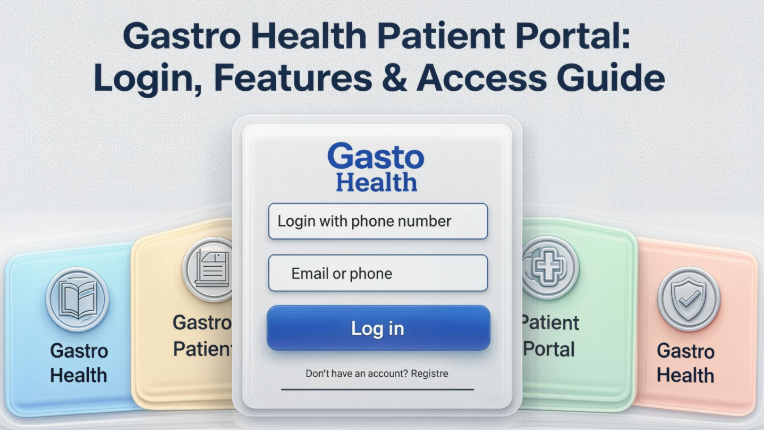

Healthcare has changed dramatically in the digital era. Patients no longer need to rely solely on phone calls, paper forms, or in-person visits to manage their medical information. That shift is exactly why the gastro health patient portal has become such an important tool for modern digestive healthcare.
For patients managing gastrointestinal conditions, easy access to appointments, lab results, billing, prescriptions, and provider communication can significantly improve the care experience. Digital portals simplify these tasks while reducing administrative delays.
Whether you are a new patient trying to register or an existing patient looking to use portal features more effectively, this guide explains everything you need to know about the Gastro Health patient portal.
What Is the Gastro Health Patient Portal?
The gastro health patient portal is a secure online platform that allows patients to manage healthcare-related tasks digitally.
Patient portals are designed to improve convenience, accessibility, and communication between patients and healthcare providers.
Common portal functions include:
- viewing medical records
- scheduling appointments
- reviewing test results
- paying bills
- sending secure messages
- updating personal information


5
Instead of waiting on hold or visiting offices for basic administrative tasks, patients can access important information anytime.
Why Patient Portals Matter in Gastroenterology
Digestive healthcare often involves ongoing monitoring.
Patients with GI conditions may require:
- lab work
- imaging
- follow-up visits
- procedure preparation
- medication adjustments
Managing all this manually can be frustrating.
Digital access reduces unnecessary delays.
For gastroenterology patients, faster access to information supports better continuity of care.
Key Features of the Gastro Health Patient Portal
The portal offers multiple tools that improve the patient experience.
Appointment Management
Patients can:
- schedule visits
- request changes
- confirm appointments
- receive reminders
Medical Record Access
Users can review important records digitally. You may also read this: Press Ganey Careers: Jobs, Benefits & Hiring Process Guide.
Billing Services
Invoices and payments can often be managed online.
Secure Communication
Patients can contact care teams securely.


These features save both time and effort.
How to Register for the Portal
Registration usually requires initial account setup.
Typical registration steps include:
Step 1: Receive Invitation
Many providers send activation emails or codes.
Step 2: Create Credentials
Patients choose:
- username
- password
- security verification
Step 3: Verify Identity
Identity verification protects medical privacy.
Step 4: Activate Account
Once verified, portal access becomes available.
Registration processes may vary by provider location.
How to Log In
Accessing the gastro health patient portal is generally straightforward.
Typical login requires:
- registered email or username
- password
- security authentication
Some systems include:
- two-factor authentication
- email verification codes
- device confirmation
These additional layers improve account security.
Viewing Medical Records
One of the most valuable portal features is digital medical record access.
Patients may view:
- diagnoses
- visit summaries
- procedure notes
- prescriptions
- care plans
Easy access improves transparency.
Patients become more informed participants in their own care.


6
This supports better decision-making.
Accessing Test Results
Gastroenterology frequently involves diagnostic testing.
Patients may undergo:
- blood tests
- stool analysis
- colonoscopy
- endoscopy
- pathology reports
Portal access often allows faster review of results.
Instead of waiting for mailed reports or callbacks, patients can review findings digitally.
This reduces anxiety for many patients.
Appointment Scheduling and Management
Scheduling is one of the most used portal features.
Patients can often:
- book appointments
- reschedule visits
- request follow-ups
- receive automated reminders
Digital scheduling improves convenience.
It also reduces missed appointments.
Efficient scheduling helps both patients and clinics.
Secure Messaging With Providers
Communication is a major portal advantage.
Secure messaging allows patients to ask non-emergency questions such as:
- medication clarification
- prep instructions
- symptom updates
- billing questions
Messaging improves continuity between visits.
Patients receive documented responses directly from care teams.
Online Bill Payment
Billing confusion can cause stress.
Many patient portals simplify financial management.
Patients may:
- view invoices
- review statements
- make payments
- track balances
Digital billing improves transparency.
It also reduces administrative paperwork.
Security and Privacy Features
Medical portals must protect sensitive personal information.
That’s why the gastro health patient portal typically includes strong security measures.
Common protections include:
Encryption
Protects transmitted data.
Secure Authentication
Prevents unauthorized access.
Session Timeout
Automatically logs out inactive users.
Identity Verification
Confirms authorized account ownership.
Healthcare portals prioritize compliance with privacy regulations.
Common Login Problems
Portal access issues happen occasionally.
Common problems include:
Forgotten Password
Password reset is usually available.
Locked Account
Multiple failed attempts may trigger lockout.
Browser Issues
Outdated browsers may cause errors.
Expired Activation Link
Invitation links may expire.
Most problems are easy to resolve with support assistance.
Benefits of Using a Patient Portal
Using digital healthcare tools offers significant advantages.
Major benefits include:
- faster access to records
- reduced phone calls
- better communication
- convenient billing
- improved appointment management
These benefits enhance overall patient satisfaction.
Digital convenience matters increasingly in healthcare.
Who Should Use the Portal?
Nearly all patients can benefit from portal access.
It is especially useful for patients managing:
- chronic digestive disorders
- repeated procedures
- long-term treatment plans
- frequent follow-up visits
Regular GI care often involves repeated coordination.
Portals simplify this process.
Future of Digital Healthcare Portals
Patient portals continue evolving.
Modern healthcare technology increasingly includes:
- AI chat support
- mobile app integration
- predictive reminders
- telehealth access
These innovations improve convenience further.
Digital healthcare will likely become even more patient-centered.
FAQs
What is the Gastro Health patient portal?
It is a secure online platform for managing healthcare information and services.
Can I schedule appointments through the portal?
Yes, many locations allow appointment scheduling and management online.
Can I view lab results?
Yes, test results are often accessible through the portal.
Is the portal secure?
Yes, healthcare portals use strong privacy and security protections.
What if I forget my password?
Most portals offer password recovery tools.
Can I pay bills online?
Yes, billing and payment services are commonly available.
Can I message my doctor?
Secure messaging is often supported for non-emergency communication.
Who should use the portal?
Any patient wanting easier access to healthcare information and services.
Conclusion
The gastro health patient portal represents a major step forward in patient-centered digestive healthcare. By giving patients secure digital access to appointments, medical records, billing, and provider communication, the portal makes healthcare more accessible and convenient.
For patients managing ongoing GI concerns, fast access to information can reduce stress and improve care coordination. As digital healthcare continues to evolve, patient portals will play an even larger role in creating smoother, more efficient medical experiences.