
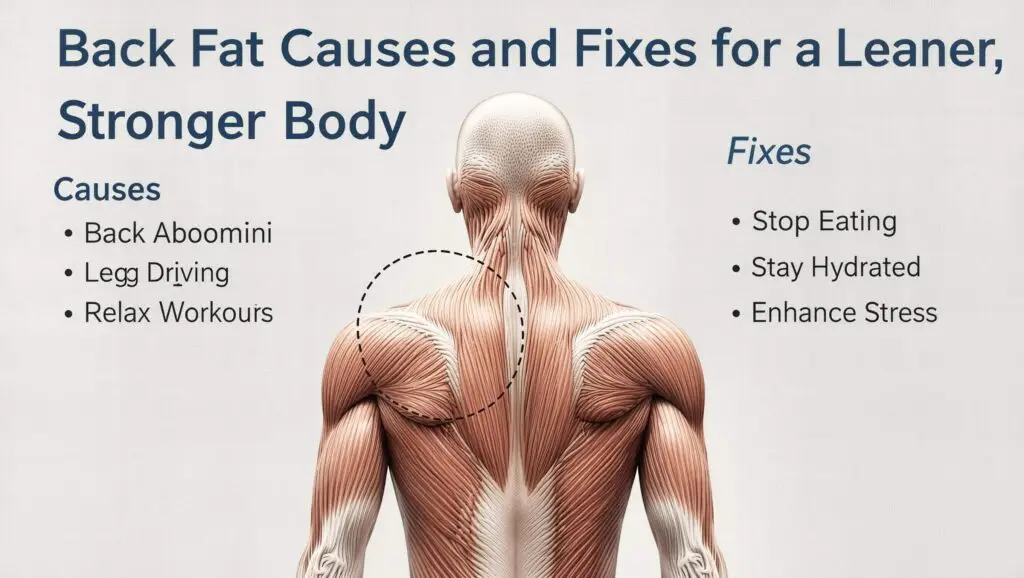

back fat, fat loss, body confidence, strength training, healthy lifestyle, posture improvement, home workouts, weight management, fitness tips, nutrition habits, upper body exercises, wellness guide
You catch a glimpse of yourself in the mirror, adjust your shirt, and suddenly notice a bulge around your bra line or lower back that seems impossible to ignore. Back fat can feel frustrating because it often appears in areas that are difficult to target, and many people struggle to understand why it develops in the first place.
The truth is that body fat distribution is influenced by far more than diet alone. Genetics, posture, stress levels, hormones, activity habits, and muscle tone all play a role. While there’s no overnight solution, understanding how your body stores fat can help you make smarter, more sustainable choices.
Many people spend months doing endless cardio or restrictive diets without seeing meaningful changes. Reducing back fat usually requires a combination of realistic nutrition habits, resistance training, and patience. What actually works is a balanced combination of movement, nutrition, recovery, and consistency. Small habits practiced daily often produce better long-term results than aggressive routines that are impossible to maintain.
This guide explains what contributes to stubborn fat around the upper and lower back, which exercises are most effective, how nutrition supports fat loss, and what realistic progress truly looks like.

Understanding What Causes Back Fat
Back fat refers to excess fat deposits that accumulate around the upper, middle, or lower back. Some people notice it near the shoulders, while others see folds around the waistline or beneath fitted clothing. The appearance varies depending on body shape and fat distribution patterns.
Although people often blame one specific factor, the reality is more complex. Your body stores fat according to a combination of genetics, lifestyle choices, and metabolic health.
Genetics and Body Composition
Genetics strongly influence where your body prefers to store fat. Some individuals naturally carry more weight in the abdomen, while others store it in the hips, thighs, or back. Even with a healthy lifestyle, certain areas may respond more slowly during weight loss.
This does not mean change is impossible. It simply means progress may require patience and a realistic understanding of how the body works. You may read this: Best Weight Loss Supplements for Women That Work Safely.
Lack of Muscle Development
Weak back muscles can contribute to a softer appearance around the upper body. When muscles are underdeveloped, posture may decline and the surrounding tissue can appear less firm.
Strength training helps improve muscle tone beneath the skin while also increasing calorie expenditure over time.
Sedentary Lifestyle Habits
Sitting for long periods affects posture, circulation, and energy expenditure. Desk jobs, excessive screen time, and limited movement throughout the day can contribute to overall fat gain.
Even small increases in daily activity, such as walking, stretching, or taking movement breaks, can support healthier body composition.

How Hormones and Stress Affect Fat Storage
Hormones influence appetite, metabolism, energy use, and fat storage patterns. Chronic stress is especially important because it increases cortisol production, which may encourage the body to retain fat more easily.
Cortisol and Chronic Stress
When stress levels remain elevated for long periods, the body enters a prolonged survival response. Poor sleep, emotional eating, fatigue, and cravings for highly processed foods often follow.
Over time, this cycle can make fat loss more difficult.
Helpful ways to reduce stress include:
- Walking outdoors
- Meditation or breathing exercises
- Regular sleep routines
- Reducing excessive caffeine
- Limiting late-night screen exposure
- Practicing realistic fitness goals
Sleep and Recovery Matter More Than People Think
Poor sleep affects hunger hormones and energy regulation. Many people underestimate how strongly sleep quality influences body composition.
When you are exhausted, workouts feel harder, cravings increase, and recovery slows down. Adults generally benefit from seven to nine hours of quality sleep each night.
Can You Target Fat Loss in Specific Areas?
One of the biggest myths in fitness is the idea that you can burn fat from a single area through isolated exercises. Doing hundreds of back exercises alone will not directly eliminate fat deposits in that region.
Instead, the body loses fat gradually through an overall calorie deficit combined with consistent activity and healthy habits.
That said, strengthening the muscles underneath can improve shape, posture, and definition as fat loss occurs.
What Actually Helps
The most effective approach combines:
- Strength training
- Cardiovascular exercise
- Balanced nutrition
- Stress management
- Adequate sleep
- Long-term consistency
People who focus only on quick fixes often become discouraged. Sustainable changes usually deliver the best visible results.
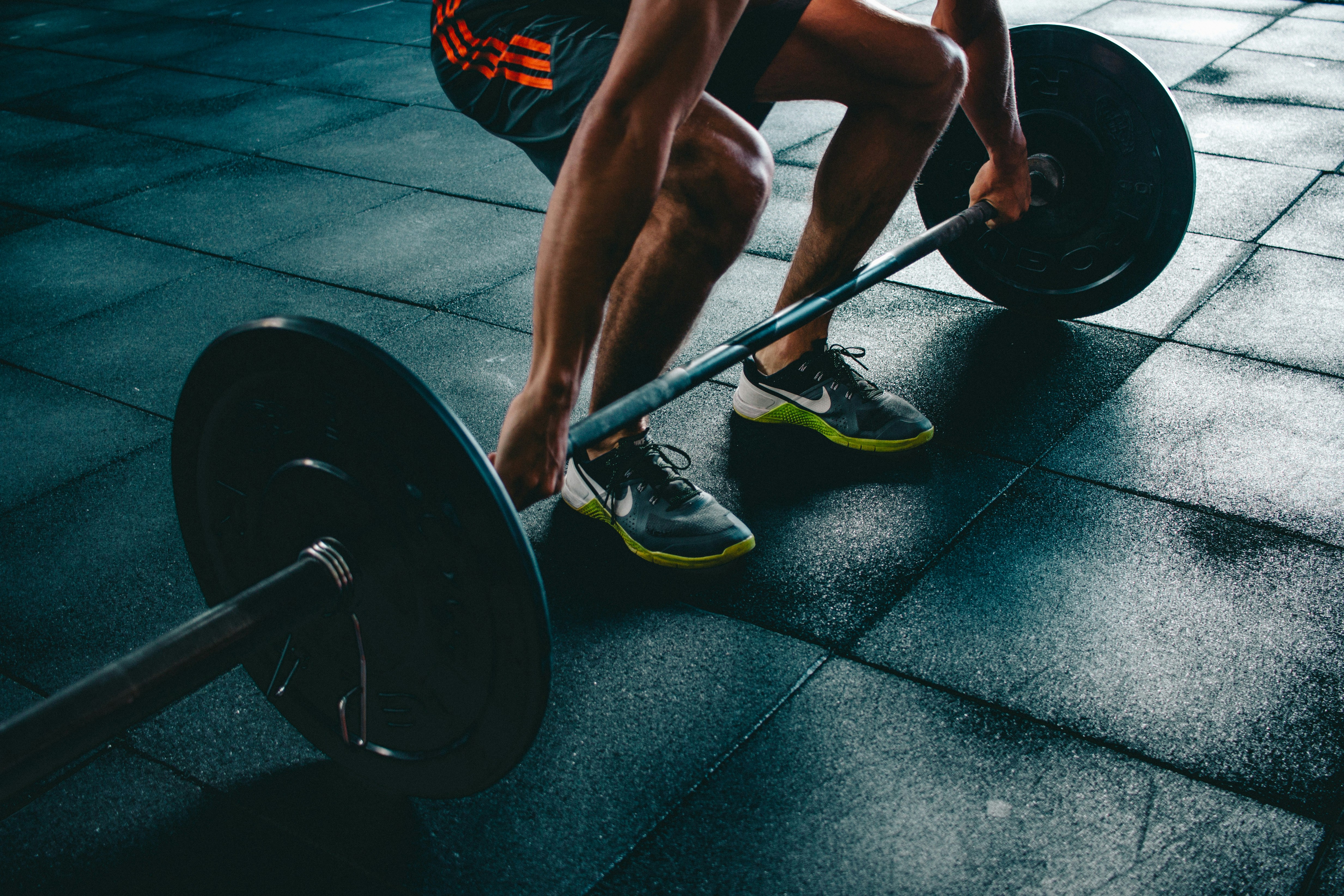
The Best Exercises for a Stronger, Leaner Back
Exercise alone will not completely transform your body overnight, but the right movements can improve muscle tone, posture, and overall fat-burning potential.
Row Variations
Rows strengthen the upper and middle back while improving posture.
Popular variations include:
- Dumbbell rows
- Resistance band rows
- Seated cable rows
- Bent-over barbell rows
Controlled movement matters more than lifting heavy weights too quickly.
Lat Pulldowns
Lat pulldowns target the large muscles along the sides of the back. Building these muscles can create a stronger, more balanced upper-body appearance.
Focus on pulling with the elbows rather than straining the neck or shoulders.
Push-Ups and Planks
Although push-ups are commonly associated with the chest, they also engage the upper back and core. Planks help strengthen stabilizing muscles that support posture.
Improved posture can reduce the appearance of skin folds caused by slouching.
Cardio Strategies That Support Fat Loss
Cardio helps increase calorie expenditure and supports heart health. The best type of cardio is usually the one you can perform consistently.
Walking
Walking is underrated because it feels simple, but it remains one of the most sustainable forms of exercise.
Benefits include:
- Low impact on joints
- Improved mood
- Increased daily calorie burn
- Better recovery between workouts
- Easier consistency for beginners
High-Intensity Interval Training
HIIT workouts alternate short bursts of intense activity with recovery periods. These sessions can improve cardiovascular fitness while saving time.
Examples include:
- Sprint intervals
- Jump rope circuits
- Cycling intervals
- Bodyweight circuits
Beginners should start gradually to avoid burnout or injury.
Swimming and Rowing
Swimming and rowing activate multiple muscle groups simultaneously, especially the upper body and core. These activities can support full-body conditioning while reducing stress on the joints.
Nutrition Habits That Make a Real Difference
Many people searching for ways to reduce back fat focus only on workouts while ignoring nutrition. In reality, food choices strongly influence fat loss progress.
Prioritize Protein
Protein supports muscle maintenance and helps increase feelings of fullness.
Good protein sources include:
- Eggs
- Greek yogurt
- Chicken breast
- Fish
- Beans and lentils
- Cottage cheese
- Tofu and tempeh
Eating protein consistently throughout the day can help stabilize appetite.
Reduce Highly Processed Foods
Highly processed foods are often calorie-dense and less filling. Frequent consumption can make it harder to maintain a calorie deficit.
This does not mean you must eliminate all treats or favorite foods. Sustainable balance is usually more effective than strict restriction.
Drink More Water
Hydration supports energy levels, digestion, exercise performance, and appetite regulation.
Sometimes thirst is mistaken for hunger, leading to unnecessary snacking.
The Role of Posture in Appearance
Posture dramatically affects how the upper body looks. Rounded shoulders and slouching can make fat deposits appear more pronounced.
Improving posture will not directly eliminate fat, but it can change overall body presentation.
Simple Posture Improvements
Helpful habits include:
- Keeping screens at eye level
- Strengthening the upper back
- Stretching the chest muscles
- Standing up regularly during work
- Engaging the core while walking
Small corrections practiced consistently can create noticeable visual improvements.
Common Mistakes People Make
Many people become frustrated because they expect rapid results or follow unrealistic advice online.
Doing Endless Crunches or Isolation Work
Spot reduction is one of the most persistent myths in fitness. Targeted exercises alone cannot selectively burn fat.
Following Extreme Diets
Crash diets may produce temporary weight loss, but they are difficult to maintain and often lead to rebound weight gain.
Moderate, sustainable changes tend to work better over time.
Ignoring Strength Training
Some people avoid lifting weights because they fear becoming bulky. In reality, resistance training is one of the best tools for improving body composition.
Building lean muscle helps support metabolism and overall strength.
Building a Sustainable Weekly Routine
Consistency matters far more than perfection. A realistic plan that fits your schedule is more valuable than an intense program you abandon after two weeks.
Example Beginner Routine
Monday
- Full-body strength workout
- 20-minute walk
Tuesday
- Light stretching or yoga
- Daily movement goal
Wednesday
- Upper-body resistance training
- Short cardio session
Thursday
- Active recovery walk
- Mobility work
Friday
- Full-body strength session
- Core exercises
Saturday
- Outdoor activity or recreational sport
Sunday
- Rest and recovery
This structure allows progress without overwhelming the body.
Emotional Confidence and Body Image
Conversations about physical appearance often become emotionally charged. Social media filters and unrealistic fitness standards can create unnecessary pressure.
It is important to remember that nearly everyone stores fat differently. Comparing yourself to heavily edited images or extreme transformations rarely leads to a healthy mindset.
True confidence usually grows through strength, health improvements, increased energy, and self-respect rather than chasing perfection.
Focus on Non-Scale Victories
Meaningful progress can include:
- Better posture
- Improved endurance
- Stronger workouts
- Healthier habits
- Better sleep quality
- Increased daily energy
- More confidence in clothing
These changes often appear before dramatic physical transformation.
When to Seek Professional Guidance
Sometimes stubborn fat gain may relate to underlying health issues such as hormonal imbalances, thyroid concerns, or metabolic conditions.
Consider speaking with a healthcare professional if you experience:
- Rapid unexplained weight gain
- Persistent fatigue
- Significant hormonal symptoms
- Severe sleep issues
- Chronic pain during exercise
Working with a certified trainer or registered dietitian can also provide personalized support and accountability.
FAQ
What causes back fat to develop?
Excess fat around the back can develop due to genetics, inactivity, poor nutrition, hormonal factors, stress, and overall weight gain.
Can you lose back fat without going to the gym?
Yes. Walking, bodyweight workouts, home resistance training, and healthier eating habits can all support fat loss without a gym membership.
How long does it take to see results?
Results vary depending on consistency, nutrition, activity level, sleep, and genetics. Many people notice gradual changes within several weeks to a few months.
Are certain foods responsible for upper-body fat?
No single food directly causes fat accumulation in one area. However, consistently eating excess calories may contribute to overall fat gain.
Does posture affect how the back looks?
Yes. Poor posture can make skin folds and soft tissue appear more noticeable, while improved posture often creates a more balanced appearance.
Is cardio better than strength training?
Both are helpful. Cardio supports calorie expenditure, while strength training improves muscle tone and body composition.
Can stress make fat loss harder?
Chronic stress may affect hormones, sleep, appetite, and energy levels, all of which can influence weight management.
What is the best workout for beginners?
Beginners usually benefit from simple full-body strength training, regular walking, stretching, and gradual increases in activity.
Conclusion
Improving your body composition is not about punishing workouts or chasing impossible standards. Real progress comes from building habits that support strength, mobility, energy, and long-term health.
Instead of obsessing over quick fixes, focus on creating a routine you can maintain consistently. Balanced nutrition, regular movement, quality sleep, stress management, and patience work together to produce meaningful change.
Your body does not need perfection to become healthier and stronger. Small, steady improvements often create the most lasting results.